REVIEW · CAPE TOWN
1 Day Whale Watching at Yzerfontein
Book on Viator →Operated by Whale Expedition SA · Bookable on Viator
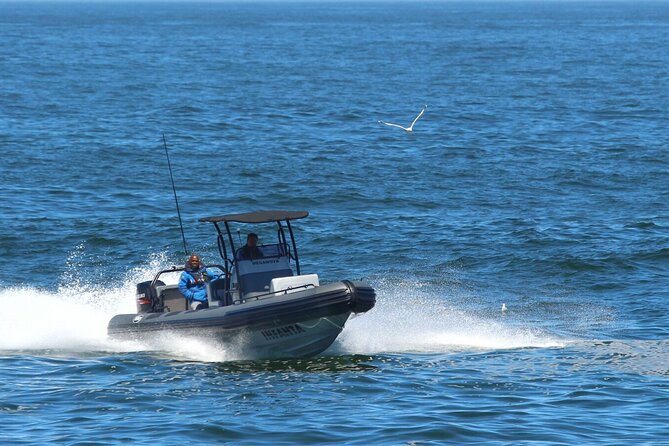
Whales wake you up at dawn. This 1-day expedition from Yzerfontein is built around the chance to meet humpback whale supergroups off the southwest Cape, using a small boat day with real guidance. I especially like the max 10 guests format, and the fact that the trip runs on the Meganova RIB, designed for maneuverability and comfort.
Another big win is the way the day is explained on both sides of the water: you get breakfast on arrival, then a return-to-land picnic lunch with a debrief led by the whale specialist and skipper. Crew names that come up again and again include Ash, Jacques, Eric, and Jan, which tells you this operation runs like a team, not a script.
One consideration: this is weather-dependent. If conditions aren’t good, you might be offered a different date or a full refund, and you also need to sort your own way to the West Coast starting point in Yzerfontein.
In This Review
- Key things to know before you go
- Yzerfontein at 6:30am: a calm start before the Atlantic
- Meganova RIB comfort and safety: why boat size matters
- The offshore game plan: humpbacks, pods, and the smaller extras
- Breakfast, sea snacks, and a proper lunch back on land
- Crew energy: whale specialist debriefs with Ash, Jacques, and Eric
- Weather and scheduling: how to plan so the morning doesn’t stress you
- Price and value: what you’re actually paying for at $331.87
- Who should book this whale watching day?
- Should you book this 1-day whale trip?
- FAQ
- What time does the 1-day whale watching trip start?
- How long is the experience?
- Where is the meeting point?
- What is included in the price?
- What is not included?
- Is the tour suitable for children?
- What group size should I expect?
- When does this trip run?
- Is the trip dependent on weather?
Key things to know before you go
- Small group cap (10 people max) and a private feel
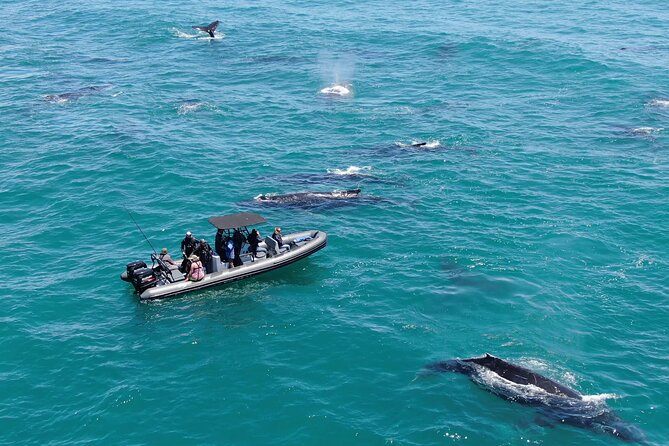
- Meganova RIB setup for performance and close, respectful whale viewing
- Breakfast pastries and hot drinks at 6:30am, plus snacks on the water
- Picnic-style lunch back on shore with a whale specialist debrief
- Seasonal sweet spot: December to March for humpback supergroups
- Weather can change plans, so keep flexibility in your schedule
Yzerfontein at 6:30am: a calm start before the Atlantic
This trip starts early—6:30am at Yzerfontein Harbour, 85 Main Rd, Yzerfontein. That matters. Morning is when you’re more likely to catch active surfacing and calmer conditions for spotting whales. It also means you’re back on land in a roughly 4-hour outing, which makes it easier to fit into a Cape Town visit without stealing your whole day.
Yzerfontein sits about 1.5 hours north of Cape Town by car, so plan the drive like you’re going to a real appointment. You’ll be up before most of the city has finished its breakfast. Bring something warm for the start time, because early air can feel sharp even if the day later turns mild.
The trip ends back at the meeting point, so you’re not juggling a return plan. For a whale day, that simplicity is underrated.
You can also read our reviews of more tours and experiences in Cape Town.
Meganova RIB comfort and safety: why boat size matters
You don’t just want to see whales. You want to see them without feeling like you’re stuck on a bouncy cattle truck. This is where the Meganova RIB comes into the story.
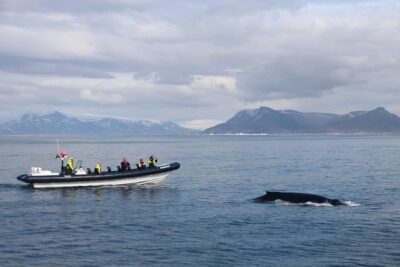
The boat is described as high-end, with a focus on maneuverability and performance. That’s useful because whale encounters aren’t always predictable. Pods can change direction fast. A responsive vessel helps your crew get into the right position while staying within safe, respectful viewing practices.
Capacity is also part of the pitch. The boat is registered for less capacity than it’s built for, aiming for ultimate safety and comfort. Put that together with the 10-guest maximum, and you get a more personal atmosphere. It also means the crew can keep an eye on everyone—where they’re standing, how they’re feeling, and whether conditions require a shift in approach.
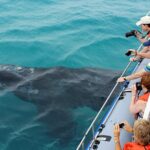
If you’re the kind of person who cares about photography, this kind of setup tends to help. In the feedback, people point out that it’s a strong choice for capturing whale behavior because you’re actually in the zone, not staring from the far edge of a massive group.
The offshore game plan: humpbacks, pods, and the smaller extras
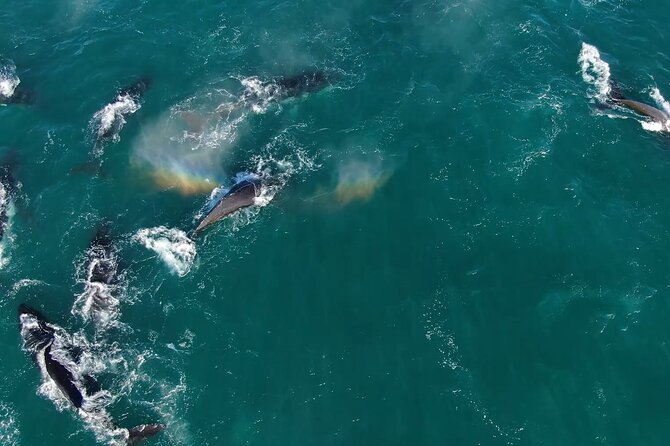
This expedition is timed for the big season. It runs in December through March, when the southwest Cape is home to some of the largest annual humpback whale gatherings in the Southern Hemisphere. In practical terms, that means your odds improve because you’re fishing in a known whale zone during peak movement.
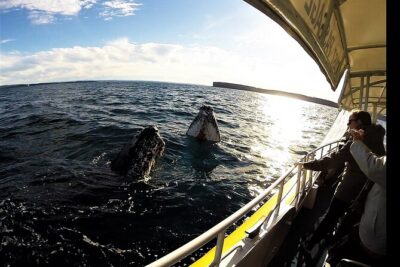
Once you’re onboard, the day becomes a search: you head out to look for humpback supergroups and other marine life. The best part is that this isn’t pitched as random whale luck. The trip includes specialist-led guidance, so you’re not just watching from the deck—you’re learning what you’re seeing and why it’s happening.
What might you actually spot? Based on the experience shared by past riders, you can expect a mix of:
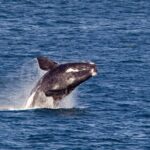
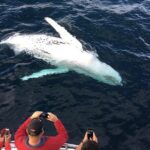
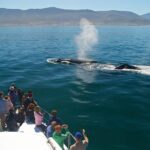
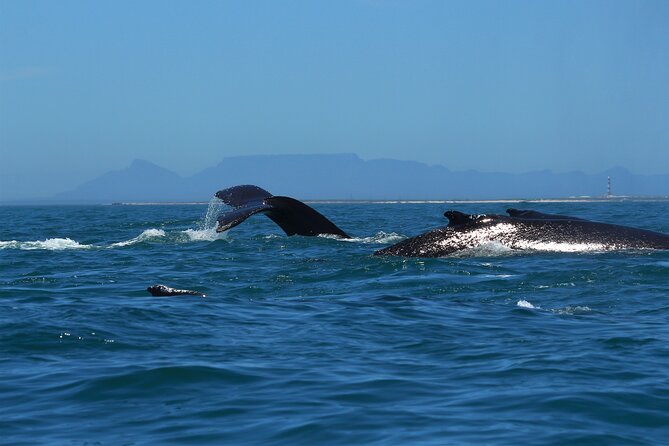
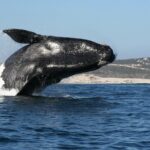
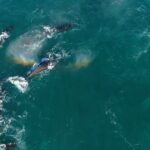
- Humpbacks in different situations—sometimes a large feeding congregation, and sometimes a smaller encounter like a lone juvenile or a mother with her calf
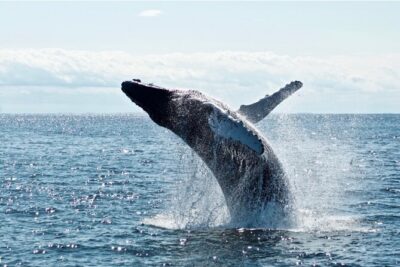
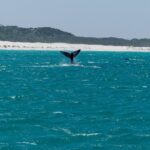
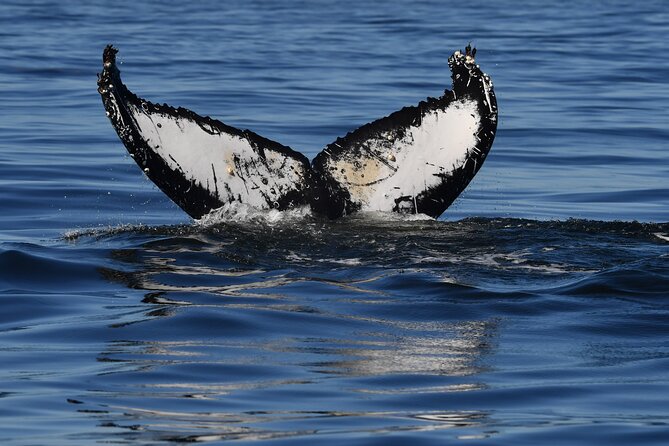
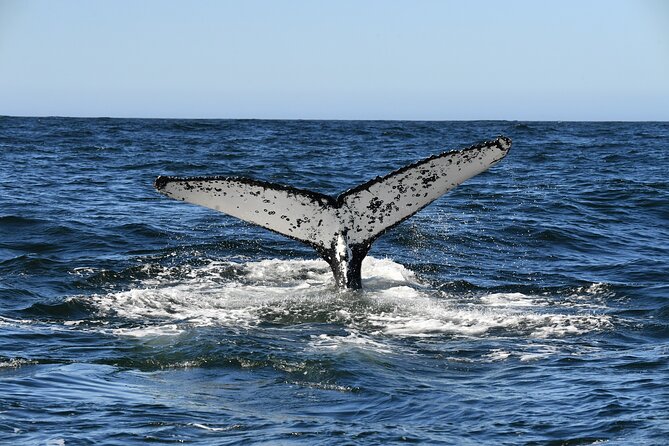
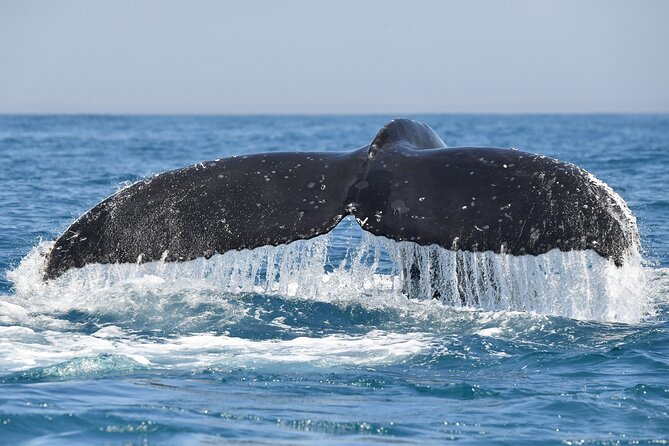
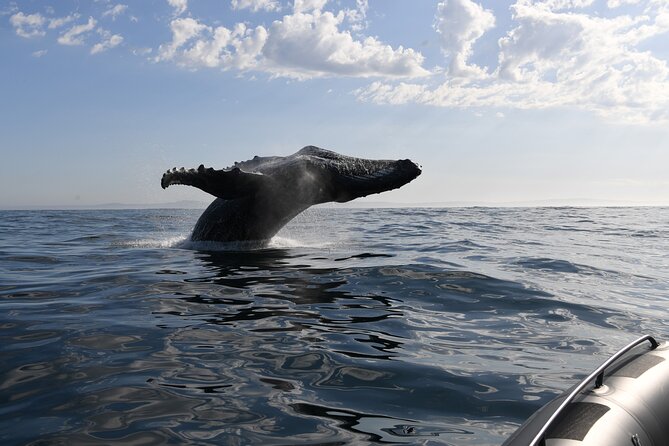
- Breaching and tail-slapping behavior when conditions line up
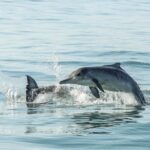
- Dolphins and seals, plus seabirds over the course of the outing
Some trips sound like the best-case scenario: people describe being among feeding humpbacks in the dozens, and even mention days with super pods that were extremely large. Other days land on different kinds of special, like a quieter encounter with just a few animals—but still close enough to feel the scale.
The realistic takeaway for your planning: even in whale season, you’re going to get your day based on what’s out there. The crew’s job is to keep searching efficiently, then keep you informed the whole time.
Breakfast, sea snacks, and a proper lunch back on land
One reason this whale trip feels worth the money is that it treats food as part of the experience, not an afterthought.
On arrival you get breakfast snacks with hot beverages, plus breakfast pastries and fruit. That’s a smart move for a 6:30am start. You’ll be awake early, and sea time tends to eat your appetite fast.
On the water there are refreshments: mineral water, soft drinks, and a variety of dry snacks. This matters because hunger and dehydration don’t help your focus when you’re scanning for spouts, flukes, and sudden surfacing.
Then, when you’re back, you get a picnic-style lunch on return to land along with a debrief. That flow is great: you don’t just come home and rush off. You get time to process what you saw, understand the behavior you witnessed, and ask questions while everything is fresh.
Crew energy: whale specialist debriefs with Ash, Jacques, and Eric
A whale day can turn into either a passive viewing session or a genuinely educational experience. This one leans hard toward learning.
The structure is: a welcome briefing at the start, then time on the water with led searching, and finally a return-to-land debrief by the Whale Specialist guide and skipper. Crew names that show up in the feedback include Ash (skipper) and Jacques (tour guide), with Eric mentioned as part of the lookout team. Jan also comes up in connection with whale education and immersion into marine life.
Here’s why that matters for you: humpbacks aren’t just big moving objects. They have behavior patterns—feeding, resting, mother-calf interactions, and group movement. When someone explains what you’re seeing in real time, the whole day clicks. You leave with more than photos. You leave with a brain full of whale facts you can actually use.
If you care about respecting animals, guidance helps with that too. People repeatedly mention being out at sea respectfully while still enjoying up-close encounters. You don’t want rules you can’t follow. You want clear, calm instructions and a crew that manages expectations.
Weather and scheduling: how to plan so the morning doesn’t stress you
This trip requires good weather. That’s stated clearly, and it’s also the reality of small-boat whale watching. If conditions are poor, you’ll be offered a different date or a full refund.
So plan like this:
- Keep your schedule flexible for the first half of the day.
- If you’re combining this with a Cape Town day plan, don’t stack it too tight.
- Have backup activities in mind if it shifts.
Also, you may want to think about how you’ll dress for the coast in early hours. Waterproof gear is included if required: the tour provides waterproof jacket and pants. That takes away some decision fatigue. Still, you’ll be happier if you wear layers you can adjust quickly once you’re out at sea.
The trip also notes a moderate physical fitness level. That’s less about being a marathon runner and more about being able to handle a boat day and shifting attention for scanning and moving around when the crew asks.
Price and value: what you’re actually paying for at $331.87
At $331.87 per person, this is not a budget activity. But the cost starts to make sense when you look at what’s included and what the smaller scale buys you.
You get:
- Guided whale searching with specialist leadership
- Breakfast snacks and hot drinks at the start
- Snacks and soft refreshments on the water
- A picnic lunch on return
- Waterproof jacket and pants if needed
- English-speaking staff
- A small-group setup (max 10) with a private tour feel for your group
The value here is about the full package and the quality of time, not just the whale sightings. With a smaller group and a boat designed for maneuvering, you’re paying for your chance to be in the right place at the right moment—while still being comfortable and well cared for.
One cost that you should budget separately: transport to/from West Coast isn’t included. You’ll need to arrange getting to Yzerfontein Harbour yourself. If you’re coming from Cape Town, plan around that morning drive so you’re not scrambling.
Who should book this whale watching day?
This fits best if you want:
- A short, focused whale trip rather than an all-day bus-and-boat marathon
- A small-group experience where the crew can give real attention and keep the day organized
- A whale day with a learning component—start briefing and a debrief when you land
- A morning activity that works well with a Cape Town itinerary
It may be less ideal if:
- You don’t want early starts or you’re very inflexible about weather changes
- You’re traveling with children under 10, since no children under 10 are permitted on scheduled 1-day expeditions
- You can’t manage the boat-day physical demands listed as moderate
If you’re a photographer, this is also a strong match. People specifically call it out as a good option for photos, which often means good positioning and a crew that pays attention to spotting behavior rather than just cruising.
Should you book this 1-day whale trip?
If you’re in Cape Town during December to March, and you want a whale experience that feels guided, organized, and small-scale, I’d say this is a strong yes. The combination of a max 10 guest setup, a purpose-built Meganova RIB, and the two-sided whale education (briefing plus debrief) is exactly what turns whale watching into a memory you can explain.
I’d only hesitate if early starts or weather-driven rescheduling would ruin your trip rhythm. If you can stay flexible and you’re willing to handle your own ride to Yzerfontein, you’re set up for a morning that’s genuinely special.
FAQ
What time does the 1-day whale watching trip start?
The start time is 6:30am at Yzerfontein Harbour.
How long is the experience?
The duration is listed as approximately 4 hours.
Where is the meeting point?
You meet at Yzerfontein Harbour, 85 Main Rd, Yzerfontein, 7351, South Africa, and the tour ends back at the same meeting point.
What is included in the price?
The price includes snacks with hot beverages, breakfast pastries and fruit on arrival, refreshments at sea (mineral water, soft drinks, and dry snacks), picnic-style lunch on return, waterproof jacket and pants if required, and English-speaking staff.
What is not included?
Transport to and from the West Coast is not included.
Is the tour suitable for children?
No children under 10 years old are permitted on the scheduled 1-day expeditions.
What group size should I expect?
It’s limited to a maximum of 10 guests per expedition, and it’s described as a private tour/activity for your group only.
When does this trip run?
This expedition runs during December to March.
Is the trip dependent on weather?
Yes. It requires good weather, and if canceled due to poor weather, you’ll be offered a different date or a full refund.