REVIEW · LA GOMERA
Whalewatching La Gomera
Book on Viator →Operated by Oceano Whale Watching La Gomera · Bookable on Viator
Dolphins show up when the timing is right. This whale and dolphin watching trip near La Gomera pairs a calm outing on a traditional Canarian fishing boat with an expert guide who explains what you’re seeing as the sea cooperates. I also like the small-group feel (max 10 persons), which keeps the vibe focused and helps you stay close enough to notice behaviors, not just silhouettes.
One thing to set expectations: this is real ocean wildlife viewing, not a guaranteed show. You may also notice the comfort is basic—one reviewer pointed out there was no roof and limited onboard extras like water—so come prepared, especially in wind or sun.
In This Review
- Key highlights you should know before you go
- Whale watching La Gomera: what makes this area special
- The traditional Canarian fishing boat and the small max-10 group
- The 3–4 hour ocean run from Vueltas: what your day feels like
- Guides who explain whales and dolphins in plain language
- What you might see: dolphins, pilot whales, and the occasional surprise
- Price and value: is $54.54 for a half-day at sea fair?
- Comfort, weather, and what to bring on a small boat
- Best for who: families, couples, and animal lovers with flexibility
- Should you book Whale watching La Gomera?
- FAQ
- Where does this whale watching tour depart from?
- How long is the tour and how many people are on the boat?
- What languages will the guide speak?
- Is a whale sighting guaranteed?
- Do I need good weather for this activity?
- Is the tour physically demanding?
Key highlights you should know before you go
- A max of 10 people means more breathing room and less crowding around sightings
- About a 90% sighting rate gives you a strong chance, even though nature still calls the shots
- 3–4 hours offshore out of Vueltas means you’re actually searching, not just cruising
- Multilingual guiding (German, Spanish, English) helps you follow along in real time
- Respect-first behavior is part of the experience, not just the marketing pitch
- Summer bathing stop on request adds a bonus break if conditions allow
Whale watching La Gomera: what makes this area special
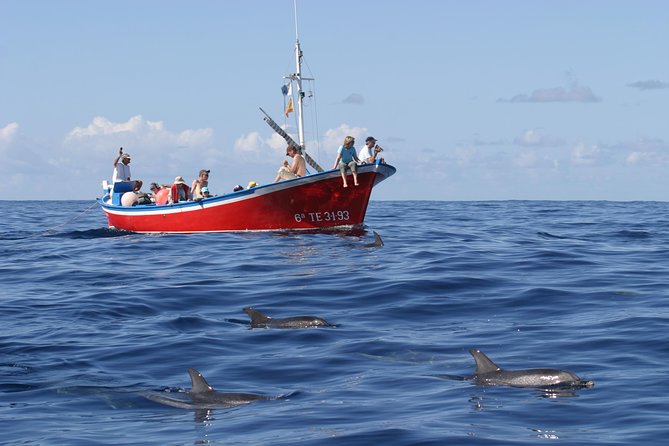
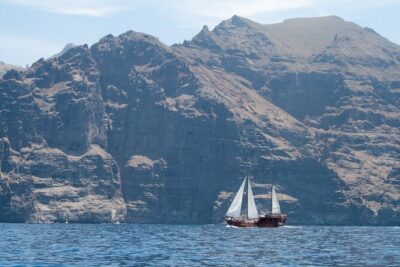
La Gomera sits in a busy stretch of Atlantic waters, and whale watching here is mostly about finding the right patch of ocean—then letting the animals decide how close they want to be. From the Valle Gran Rey side, you’re going out on a sailing-style outing that keeps the trip feeling steady and low-key, not like an all-day power boat chase.
What I like most is the tone of the outing: you’re not treated like you’re on a hunt. The guide’s job is to read the water, watch for signs, and help you understand the animals you’re seeing—so even if sightings come and go, you’re still getting value from the time on the sea.
This is also the kind of experience where you can walk away with a story beyond one animal. On past trips, people have reported everything from dolphin species to whale types, and even surprises like sharks and turtles. That variety is part of why I think La Gomera whale watching is worth the effort.
You can also read our reviews of more tours and experiences in La Gomera.

The traditional Canarian fishing boat and the small max-10 group
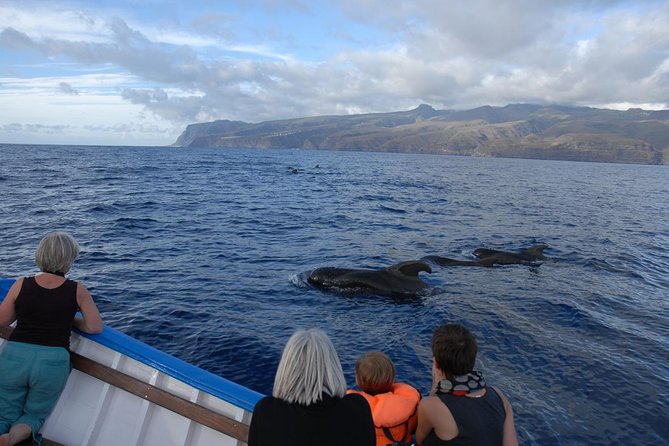
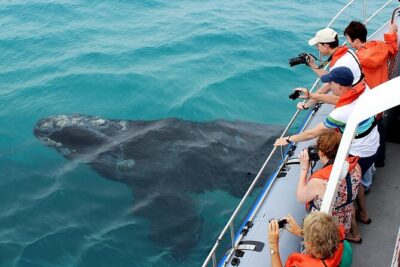
This trip runs on a small Canarian fishing boat and caps the group at 10 travelers. That small size matters more than you’d think. When you’re close to the action, you can actually see behaviors—direction changes, surfacing patterns, and how dolphins interact around the boat.
It also changes the atmosphere. Smaller boats tend to feel more human scale. You’re not being shuttled into a viewing funnel; you’re out there with a crew who pay attention to how everyone’s doing and where the animals are.
The tradeoff is comfort. The boat experience is more practical than pampering. One person noted there was no roof and that onboard comfort felt limited (including water availability), which is a good reminder to bring your own basics. If you handle sun, wind, and salt air without needing a “resort” feeling, you’ll likely be happy.
And because the sightings are the point, small-group time helps the crew take your questions seriously instead of rushing the moment.
The 3–4 hour ocean run from Vueltas: what your day feels like
You’ll set out from the harbor area of Vueltas and head south-west off La Gomera. The time on the water is about 3–4 hours, and the plan is simple: look for whales and dolphins, then adjust based on what shows up.
This is why the trip feels different from longer excursions. You don’t spend hours just getting there. The crew’s focus is on scanning, repositioning, and staying out long enough to see whether a pod lingers. A featured highlight from past guests was that the team didn’t rush people back when it took longer to find whales—meaning your half-day can stretch into a more satisfying viewing window.
In warm months, there’s also the option of a bathing stop on request. That’s a nice add-on if the sea is calm enough, but it’s not something to count on unless you ask and conditions allow it.
What you should expect in real-life terms:
- You may see mostly dolphins with fewer whale sightings on one outing.
- You might end up with a whale close enough to feel it, not just spot it.
- You can get extras like a shark sighting or a turtle sighting, but those are bonus surprises.
Guides who explain whales and dolphins in plain language
The guide is included, and language support can include German, Spanish, and English. In other words, you shouldn’t feel like you’re just staring. The crew’s role is to connect what you’re seeing to how whales and dolphins behave and how their bodies work.
I’m especially impressed by the way some guides handle the “not instant” reality of whale watching. When animals don’t show up right away, a good guide keeps the group engaged—pointing out likely signs, explaining what to watch for, and helping people spot blow patterns and body movements as they happen.
Names that have come up include Melanie, Carmen, Nicole, and Skipper Noel. While you can’t pick the roster in advance from the info here, it’s fair to say the operator’s reputation leans toward enthusiastic, animal-focused hosting. One reviewer specifically praised the crew’s passion and friendliness, and another highlighted that the tour is respectful toward the animals—so expect a tone of observation, not interruption.
This matters for your enjoyment. Whale watching is half nature, half interpretation. When a guide can tell you what you’re looking at (and why it’s happening), the trip becomes memorable even if sightings change quickly.
What you might see: dolphins, pilot whales, and the occasional surprise
No one can promise you’ll see a whale every time. Nature doesn’t do schedules. But the operator reports sighting rates around 90%, and the trip is designed to maximize your odds within that realistic frame.
Based on past outings, you may see:
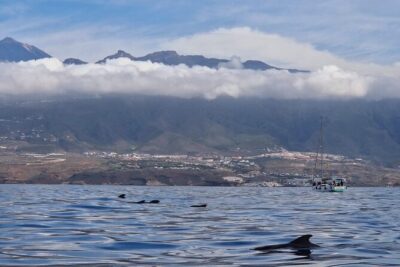
- Spotted dolphins
- Bottlenose dolphins
- Pilot whales, sometimes with a fresh calf
- And occasionally other wildlife like a hammerhead shark or sea turtles
Dolphins often provide the most consistent action. There are reports of dolphins swimming next to the boat and even jumping—so if you’re hoping for movement and close interaction, this is a good target.
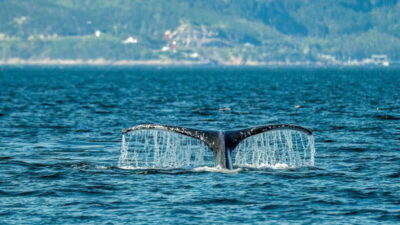
If you really care about whales specifically, go in ready for a mix. You could finish the trip with dolphins as the main event and one whale sighting—or you could get both. Either way, the boat time is still valuable because you’re out there watching behavior in real conditions.
Price and value: is $54.54 for a half-day at sea fair?
At $54.54 per person for 3–4 hours, this is priced like a serious activity, not a casual sunset cruise. The value comes from a few things working together:
- Small group size (max 10), which improves your viewing experience
- A skilled guide included in the price
- A realistic 90% sighting rate target
- And the fact that you’re actively out searching offshore, not stuck on a straight-line route
Also, this is a practical way to fit whale watching into an itinerary. If you’re juggling islands, travel time, and meals, a half-day format can be easier to schedule than a full day. That matters when you’re trying to see more than one thing in the Canaries.
In short: I think it’s good value if you show up prepared (sun, wind, motion) and treat whale watching for what it is—an encounter with wildlife, not a guaranteed production.
Comfort, weather, and what to bring on a small boat
This experience requires good weather, and the ocean will decide the rest. If the day gets rough, you may be offered a different date or a full refund (more on that in the FAQ). On calmer days, you’ll get the more pleasant sailing-style feeling and better visibility for surface activity.
Because some onboard comfort is basic, I’d pack like you’re going to be out in Atlantic conditions:
- Sun protection (the water reflects light)
- A light wind layer (boat spray can chill you)
- Motion-sickness help if you’re sensitive
- Your own water, since at least one person felt water wasn’t provided
- If you might take the summer bathing stop, bring what you’d need for a quick swim and rinse (and wear something that dries fast)
One more practical note: the tour requires moderate physical fitness. A small boat can mean steps, balance on uneven surfaces, and time outdoors. If you’re unsure, consider how you handle boats and uneven ground in general.
Best for who: families, couples, and animal lovers with flexibility
This tour fits best for people who want close, respectful wildlife viewing without a big crowd. If you’re traveling as a couple or family and you prefer a more personal feel on the water, the max-10 setup is a real win.
It also suits animal lovers who enjoy explanations. If you’re the type who likes learning the difference between dolphin behaviors or trying to understand how whales surface and move, you’ll get more out of the guide’s commentary.
Where you should adjust your expectations:
- If you’re chasing a guaranteed whale sighting no matter what, this isn’t built for that promise.
- If comfort is your top priority, remember it’s a functional small boat and not a cushy amenity setup.
Overall, this is a strong choice for a half-day that aims at genuine encounters—dolphins that swim close, whales that appear when they want to, and a crew that keeps the group focused on what matters.
Should you book Whale watching La Gomera?
Book this tour if you want:
- A half-day whale and dolphin outing near La Gomera
- A small-group boat experience
- Strong odds (around 90%) of seeing wildlife
- A guide who can explain what’s happening, in German, Spanish, or English
Hold off or reassess if:
- You’re not comfortable with basic boat comfort in sun/wind
- You require guaranteed whale sightings
- You have difficulty with moderate physical demands on a small vessel
If you can be flexible with weather and you come prepared, this is the kind of tour that can give you the best memory from the Canary Islands: standing on a boat, scanning the sea, then watching dolphins and whales behave naturally—right in front of you.
FAQ
Where does this whale watching tour depart from?
The boat goes out from the harbor area of Vueltas and cruises offshore to the south-west of La Gomera for about 3–4 hours.
How long is the tour and how many people are on the boat?
The experience lasts about 3–4 hours. The group is limited to a maximum of 10 travelers.
What languages will the guide speak?
A skilled guide is included, and the tour can be led in German, Spanish, and English (depending on operations).
Is a whale sighting guaranteed?
No. This is wildlife viewing with no guarantee of specific animals. The operator states sighting rates are approximately 90%.
Do I need good weather for this activity?
Yes. The tour requires good weather. If it’s canceled due to poor weather, you’ll be offered a different date or a full refund.
Is the tour physically demanding?
It requires moderate physical fitness. Since it’s on a small boat and you’ll be outside for several hours, it’s best if you’re comfortable with that kind of activity.