REVIEW · SAN JOSE DEL CABO
Whale Watching in San Jose del Cabo
Book on GetYourGuide →Operated by Dip Expeditions · Bookable on GetYourGuide
Humpbacks here act like neighbors. On a San Jose del Cabo outing with Dip Expeditions, I love the respectful viewing distance and the fact that the crew keeps the focus on letting whales behave naturally, not on chasing them. It’s also a small-group style trip (limited to 8), which makes spotting and photos feel easier. One drawback to consider: if you’re prone to seasickness, this open-ocean cruise may not be your best match.
You get a real briefing before you head out, then you spend 2 hours scanning the horizon with a live guide who speaks English and Spanish. You’ll also have water and snacks onboard, which matters more than you’d think once you’re out there in Cabo sun and wind.
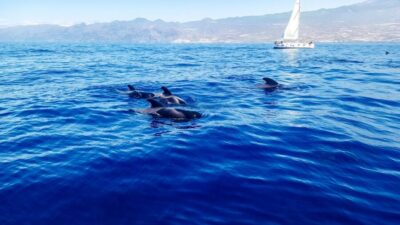
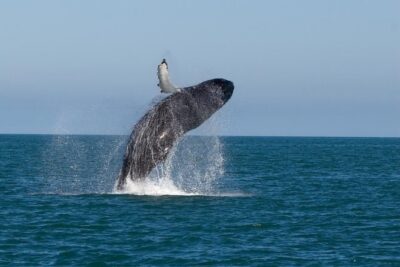
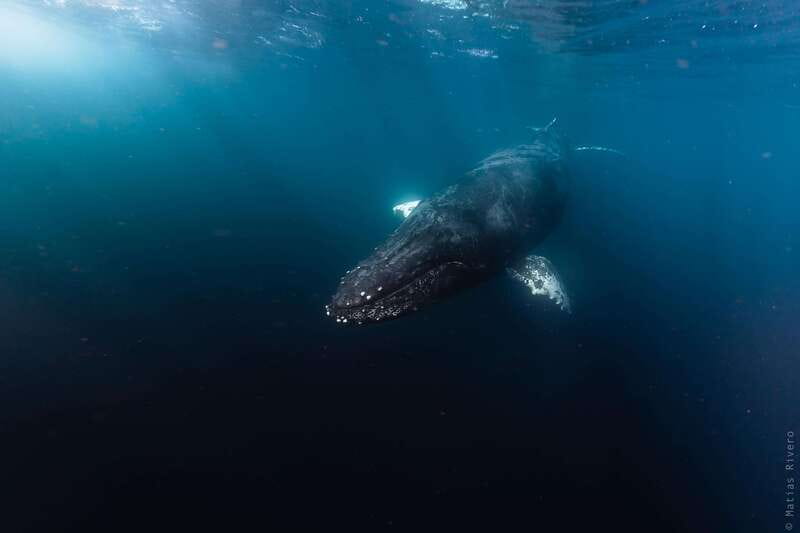
What I like most is the way the trip is built around the whales’ behavior. You’re looking for humpbacks in the Mar de Cortez, and the experience centers on moments like calf jumps, fast “heat runs,” and mothers teaching young ones how to swim and dip. If conditions are right, you may even spot other marine life like manta rays, too.
In This Review
- Key things to know before you go
- Whale watching in San Jose del Cabo: why this cruise feels different
- Where you meet near El Ganzo: quick setup, then out to sea
- The two-hour whale watching run: briefing, spotting, and respectful approach
- Step 1: getting set at Dip Expeditions
- Step 2: the San Jose del Cabo open-ocean watch (main event)
- Step 3: back to Dip expeditions
- What the timing means for you
- What you might see: humpback behavior, calf energy, and manta rays
- Humpback whales in motion
- Other marine life (including manta rays)
- The boat and the small-group vibe: less noise, better viewing
- Price and value: why $140 can make sense for a 2-hour whale watch
- Who should book this whale watching trip (and who should skip it)
- Rules onboard: what’s not allowed and why it helps
- Tips for your best experience on the water
- Should you book Whale Watching with Dip Expeditions?
- FAQ
- How long is the whale watching tour?
- Where is the meeting point?
- How many people are in the group?
- What’s included in the price?
- What languages does the guide speak?
- Can I cancel for a full refund?
- Who is the tour not suitable for?
Key things to know before you go
- Small group capped at 8 means less crowd noise and more time to watch
- Live guide in English or Spanish gives you a calmer, smarter way to spot whales
- Respect-first approach keeps the focus on observation, not disruption
- Water and snacks included helps you stay comfortable during the cruise
- Mar de Cortez scanning targets humpbacks and other passing marine life
Whale watching in San Jose del Cabo: why this cruise feels different
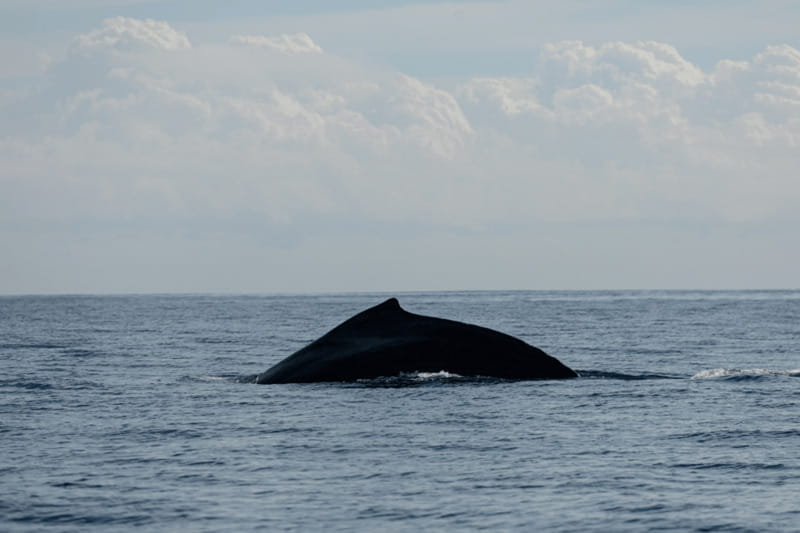
San Jose del Cabo sits on the edge of the Mar de Cortez, and that ocean can look calm one minute and totally alive the next. This whale watching trip leans into that reality. Instead of turning the day into a loud game of chase, it’s organized around careful scanning, clear instructions, and a respectful viewing distance.
That matters because whales are not something you can control. When a crew approaches with the goal of not disturbing animals, you tend to get better behavior to watch. You’re there to see humpbacks doing what humpbacks do: calves playing near the surface, adults surfacing and moving through the water with purpose, and mothers staying close while teaching young ones the basics of life at sea.
And because this is a small group experience, you’re less likely to feel like you’re fighting for a view. With fewer people on board, the spotting process feels more organized and you can keep your attention where it belongs: on the horizon and the water where blow and movement show up first.
You can also read our reviews of more tours and experiences in San Jose Del Cabo.
Where you meet near El Ganzo: quick setup, then out to sea
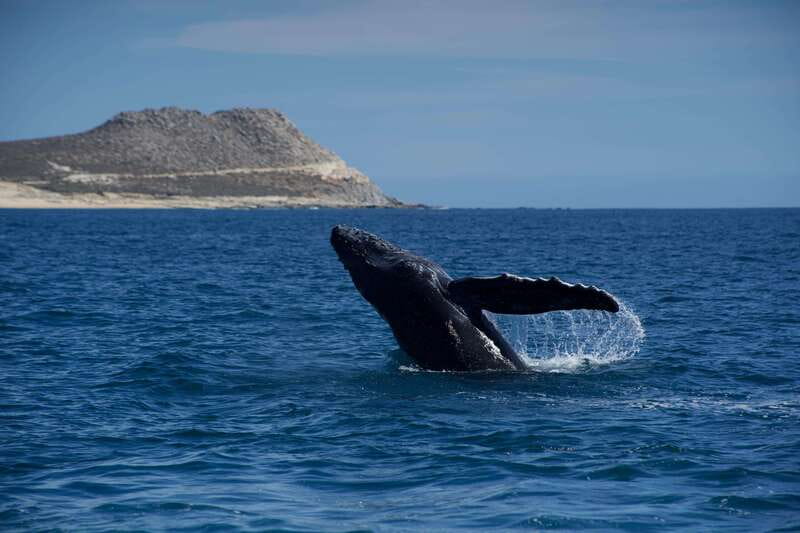
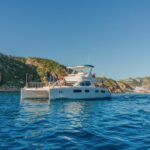
You’ll meet at a fishing marina behind El Ganzo hotel. Getting there is straightforward, and the marina setting also gives you a sense of what kind of day this is: a working-coast kind of outing, not a staged theme-park moment.
Once you’re onboard, the first step is the briefing. You’ll get guidance on what to look for and how to enjoy the ride while staying safe and comfortable. Then you head out toward open water where your guide can scan the horizon for humpbacks and other whales.
This is one of those details that makes a difference. When you know what you’re looking for, you stop guessing. You start recognizing patterns. And on a two-hour trip, that switch from “hoping” to “understanding” helps you feel the time go by in a good way.
Also note: the tour is listed as wheelchair accessible, so it’s worth asking on your booking what that means for your specific needs, especially if you use a mobility device.
The two-hour whale watching run: briefing, spotting, and respectful approach
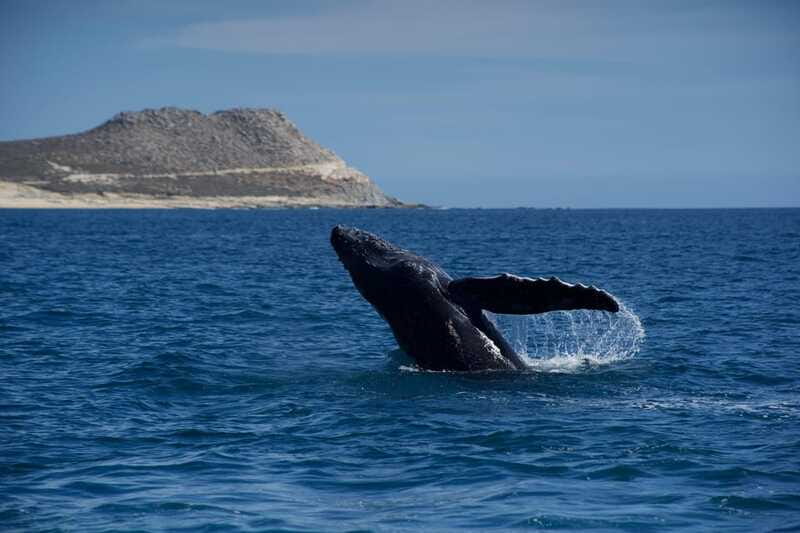
This tour is designed around a simple flow: briefing, open-ocean search, then careful watching.
Step 1: getting set at Dip Expeditions
You start at Dip expeditions, and you’ll be guided into the day with the essentials: safety basics, how to stay comfortable during the cruise, and what the crew will be doing once you’re out past the coast.
Step 2: the San Jose del Cabo open-ocean watch (main event)
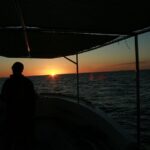
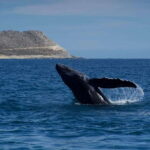
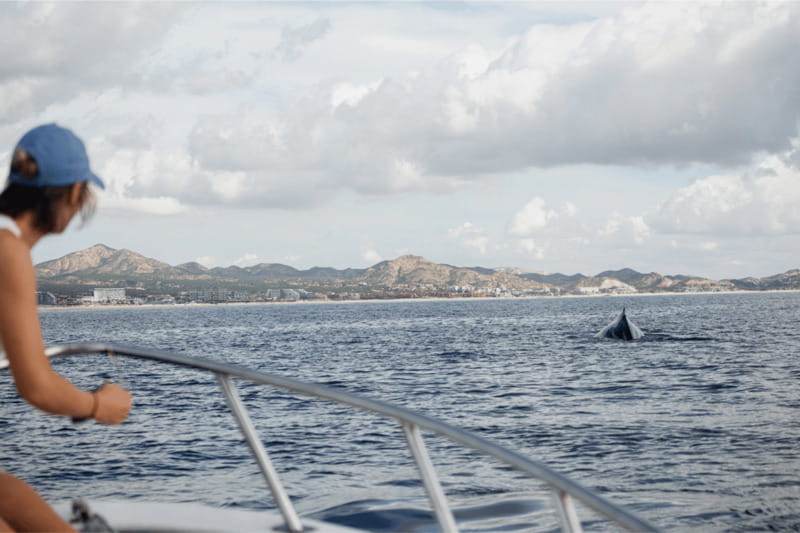
From there, the guide keeps an eye on the horizon. The goal is to find humpback whales and any other whales in the area. When whales appear, the crew approaches in a way meant to keep the animals calm and undisturbed.
That’s the heart of the experience. You’re not trying to force a close-up moment. You’re letting the whales come into view on their own terms. The best sightings tend to happen when both sides act respectfully, and this trip’s approach reflects that.
Step 3: back to Dip expeditions
After the 2 hours of viewing time, you return the same way you came—back to Dip expeditions—finishing while there’s still plenty of daylight and energy to keep your Cabo day going.
What the timing means for you
Two hours is long enough to feel like a real outing, but not so long that it turns into a slog—especially if you’re heat-sensitive or you’re with a small group who wants a quick, memorable burst of nature. It’s a good choice when you want whale watching without sacrificing your whole day.
What you might see: humpback behavior, calf energy, and manta rays
I like whale watching most when the crew helps you read the ocean like a story. This one does that by focusing on specific whale behaviors you can actually watch for.
Humpback whales in motion
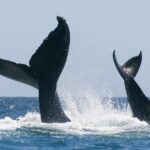
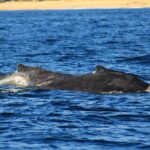
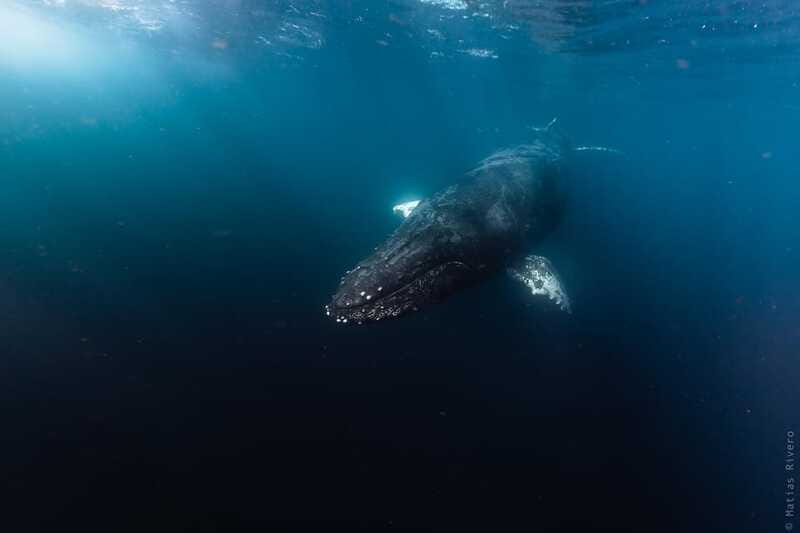
You’re there looking for humpbacks in the Mar de Cortez. Once they’re close enough to observe, the experience centers on scenes like:
- Calves jumping around at the surface
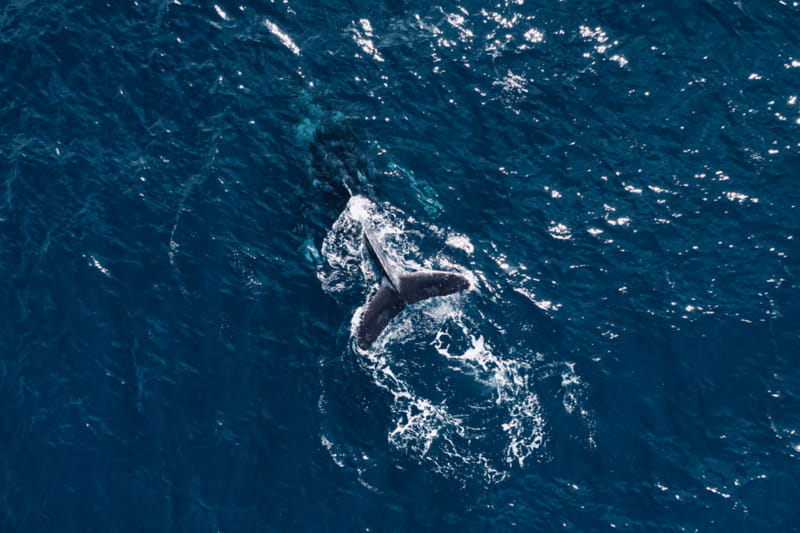
- Heat runs, when whales move with sudden bursts of speed and energy
- Mothers staying close while teaching young ones how to swim, dip, and move through the water
Even if you’ve seen whales before, watching behavior in this kind of organized, respectful setting can make the animals feel less like a random sighting and more like a living situation you’re witnessing.
Other marine life (including manta rays)
On top of whales, you may catch other surprises. One of the standout extras here is that people have reported seeing manta rays during the trip. It’s not guaranteed, but if you keep your eyes up and scan with the guide, you’ll be in the right mindset for those bonus sightings.
The boat and the small-group vibe: less noise, better viewing
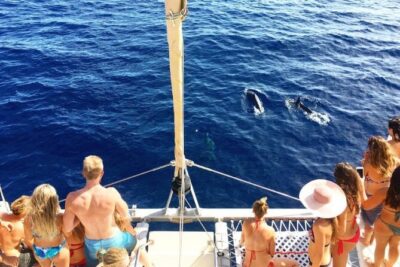
This experience is capped at 8 participants, which is a big deal on a whale cruise. Fewer people means:
- easier movement onboard without constant crowd jostling
- calmer group dynamics while waiting for sightings
- more attention focused on the horizon and water, not on a bottleneck of people blocking views
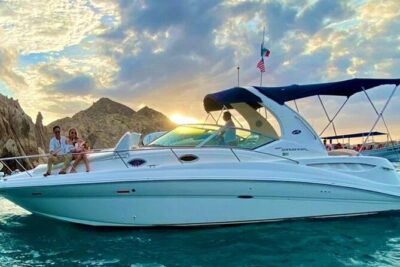
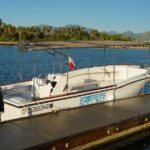
The boat also gets described as feeling new and comfortable, and you can feel that in the overall mood. When you’re not stuck in a cluttered or chaotic setup, the experience turns into watching instead of managing.
For photos, a small group helps, too. You’re less likely to have someone step in front at the wrong time, and you’re more likely to get a consistent angle when whales surface.
Price and value: why $140 can make sense for a 2-hour whale watch
At $140 per person for a 2-hour tour, you’re paying for three things at once:
- access to the open ocean in the first place
- the work of spotting and guiding you to whale sightings
- a viewing approach that’s built around animal respect
This is not a “stand on the beach and hope” situation. You’re out where sightings are more realistic, and the guide’s role matters. Without that search and interpretation, whale watching can turn frustrating fast.
Also, the trip includes water and snacks. That sounds small, but on a windy coast cruise it can keep you from feeling drained or distracted, especially if you planned your day around a short outing.
If you want whale watching that feels thoughtful, time-efficient, and not overcrowded, this price often lands in the “worth it” category. If you’re hoping for a guaranteed guarantee-your-best-day kind of sighting, no whale tour can promise that. But you can choose a tour with the right priorities—and this one is clearly built around responsible observation.
Who should book this whale watching trip (and who should skip it)
This tour has some firm limits, and they make sense for safety and comfort. It’s not suitable for:
- children under 5
- non-swimmers
- people prone to seasickness
- babies under 1 year
- people over 70 years (and it also lists over 75)
If you’re older or you’re sensitive to motion, don’t treat that as “maybe.” The ocean can be gentle or not, and your comfort matters during a two-hour watch. If you’re unsure, ask the operator directly before booking so you’re not gambling with your day.
This trip fits best if you:
- want a 2-hour whale excursion rather than an all-day commitment
- enjoy guided wildlife watching with clear explanations
- like small-group experiences where you can actually see what’s happening
Rules onboard: what’s not allowed and why it helps
A good wildlife trip is also a well-run trip. This one includes rules that keep the environment calm and safe:
- No baby strollers
- No fishing
- No alcohol or drugs
Those restrictions aren’t there to be difficult. They reduce distractions, keep movement controlled on a moving boat, and help prevent behavior that could stress animals. In a whale watching context, it’s all connected: the calmer the humans are, the calmer the whales can be.
Tips for your best experience on the water
The tour gives you water and snacks and a guide who scans and explains. What you control is your comfort and readiness.
Here’s what I’d do to make sure I enjoy the full two hours:
- Plan for sun and wind. Even when the water is cool, the air can feel sharp and change fast.
- Bring your own plan for motion discomfort if you’re even mildly sensitive. The tour specifically says it’s not for people prone to seasickness.
- Dress in layers. Cabo mornings and open-ocean breezes can feel very different within the same hour.
- If photography is part of your goal, be ready to react quickly when blow or movement appears. Whale spotting rewards alert eyes.
And most important: follow the guide’s cues about where to look and when. This isn’t the kind of activity where you win by roaming for the perfect spot. You win by watching at the right time.
Should you book Whale Watching with Dip Expeditions?
If you’re choosing among whale watches in the San Jose del Cabo area, I’d book this one if your priorities match the style here: small group, a respect-first approach, a live English/Spanish guide, and a focused 2-hour window out on the Mar de Cortez.
I’d pass if you’re non-swimming, traveling with very young kids, or you know you tend to get seasick. In those cases, the “right tour” becomes less about whales and more about comfort and safety, and this one has clear limits for a reason.
If you want a whale watching day that feels thoughtful rather than chaotic—and you’d rather spend time observing than worrying—Dip Expeditions is a strong bet.
FAQ
How long is the whale watching tour?
The whale watching experience lasts 2 hours.
Where is the meeting point?
You’ll meet at a fishing marina behind el Ganzo hotel.
How many people are in the group?
The group is limited to 8 participants, so it stays small.
What’s included in the price?
The tour includes water and snacks.
What languages does the guide speak?
The live tour guide speaks English and Spanish.
Can I cancel for a full refund?
Yes. You can cancel up to 24 hours in advance for a full refund.
Who is the tour not suitable for?
It’s not suitable for children under 5, non-swimmers, people prone to seasickness, babies under 1 year, and people over 70 years (and it also lists over 75 years).