REVIEW · WHITE ISLAND
Whakaari – White Island Cultural and Flight Experience
Book on GetYourGuide →Operated by White Island Flights · Bookable on GetYourGuide
Active volcanoes have a way of grabbing you. This one-hour Whakaari–White Island flight from Whakatane is special because it blends the raw power of an active volcano with a Māori welcome (mihimihi, hongi and pounamu) and stories tied to mauri, mana and place. I also love that the pilot works for great viewing and photo angles around Whakaari and the bay. The one real catch: flights depend on favorable weather, and it is not suitable for mobility impairments or wheelchair users.
You’ll fly from Whakatane Airport, with the office next to the terminal entrance on the right and free parking. No hotel pickup or drop-off, so plan to get yourself there on time. Once you’re onboard, the experience is designed to feel personal: modern aircraft with latest avionics, plus leather seats and a comfortable inflight service.
What makes this more than a standard scenic flight is the cultural framing. The team brings you into Te Ao Māori, using the volcano’s changing colours to explain Whakaari’s mauri (life force), with values like manaakitanga (looking after you) and whanaungatanga (relationships). You’ll also hear local music from Maisey Rika and receive koha after the experience.
In This Review
- Key things that make this flight feel different
- Whakaari and Te Mareikura: what you’re really looking at
- Te Ao Māori welcome at Whakatane Airport: mihimihi, hongi, pounamu
- A one-hour flight with modern comfort and smart pacing
- The flight path: circling Whakaari for views and photo angles
- Safety and care through manaakitanga and whanaungatanga
- What the guide actually brings to the experience
- After landing: koha, connection, and leaving with meaning
- Price and value of $388: what you’re paying for in a short hour
- Who should book this Whakaari–White Island flight
- Practical tips to make your hour go smoothly
- Should you book Whakaari–White Island with this Māori cultural flight?
- FAQ
- FAQ
- How long is the Whakaari – White Island Cultural and Flight Experience?
- Where is the meeting point?
- Is hotel pickup or drop-off included?
- Do flights run in all weather?
- What happens during the Māori welcome?
- Is there a tour guide on the flight?
- What music is included?
- Is it suitable for wheelchair users or people with mobility impairments?
- Can I cancel after booking?
- Is it possible to book with a pay-later option?
Key things that make this flight feel different
- A Māori welcome before you even see White Island: mihimihi, hongi, and pounamu are part of the experience, not an add-on.
- Te Ao Māori storytelling tied to the volcano: you’re guided through the meaning of mauri and mana in this place.
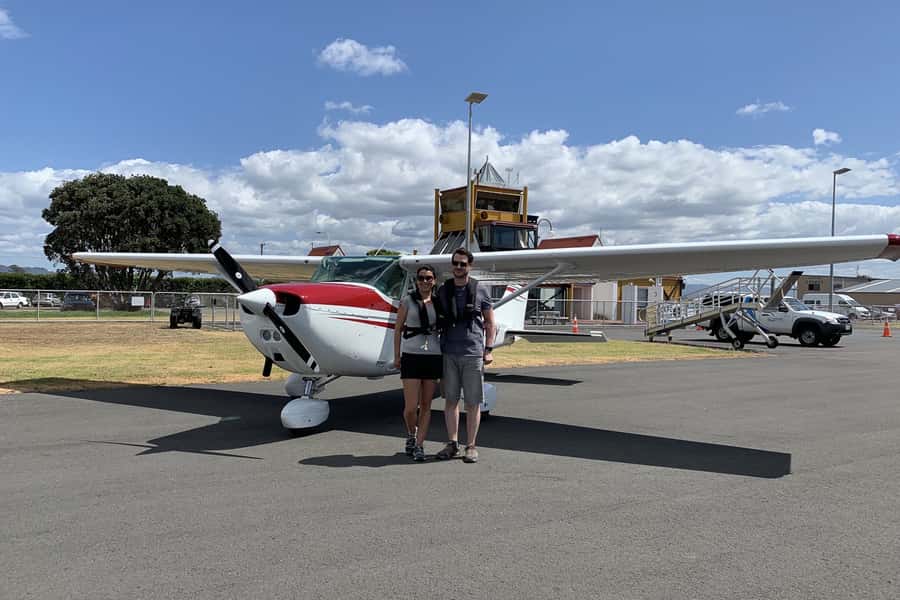
- Pilot-led viewing and photo planning: you’ll circle and angle the flight for the best views, including close passes around Whakaari.
- Small-plane energy: many people describe a four-seat setup, which makes the views feel immediate.
- Real comfort for a short hop: leather seats, smooth flight handling, and an inflight service to keep things easy.
- Music and koha at the end: local sounds from Maisey Rika and a meaningful close to the flight.
Whakaari and Te Mareikura: what you’re really looking at
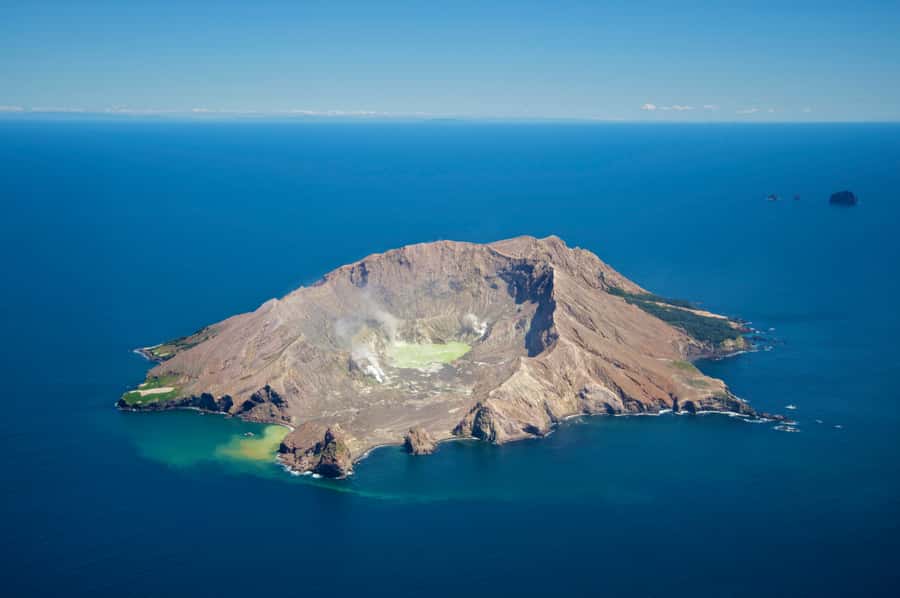
Whakaari is also known as Te Mareikura, described as nobly born female. That name isn’t just poetic wording. Here, it sets the tone: you’re not flying over a random volcano. You’re visiting a cultural icon in the Bay of Plenty, tied to Te Waka a Too, and connected to living meaning through mauri and mana.
From the air, White Island (Whakaari) is visually dramatic, but the point of the experience isn’t just the sight. The story you’re given helps you read the volcano the way locals do: shifting colours, active steam, and the sense that this place is alive. Even if you know some science, the cultural lens gives you a different kind of understanding.
And yes, there’s a powerful emotional layer too. The volcano is active, and that reality can feel eerie and awe-filled at the same time. This is the sort of place where you’re happy you looked up, not down at your phone.
Te Ao Māori welcome at Whakatane Airport: mihimihi, hongi, pounamu
Your trip starts when you arrive at Whakatane Airport. The office is next to the terminal entrance on the right, and parking is free. Since there’s no hotel pickup, this is where you get your first clear advantage: you show up, you check in, and you shift straight into the experience.
Then comes the Māori welcome. You can expect a mihimihi, and that includes hongi as part of the ceremony, plus pounamu. The experience also includes local music from Maisey Rika, which helps the cultural side feel grounded rather than staged.
A quick practical note: hongi involves a face-to-face breath contact. If you’re not comfortable with that, you should tell the team right away. The key idea here is manaakitanga—they’re focused on looking after you and making sure you’re at ease.
A one-hour flight with modern comfort and smart pacing
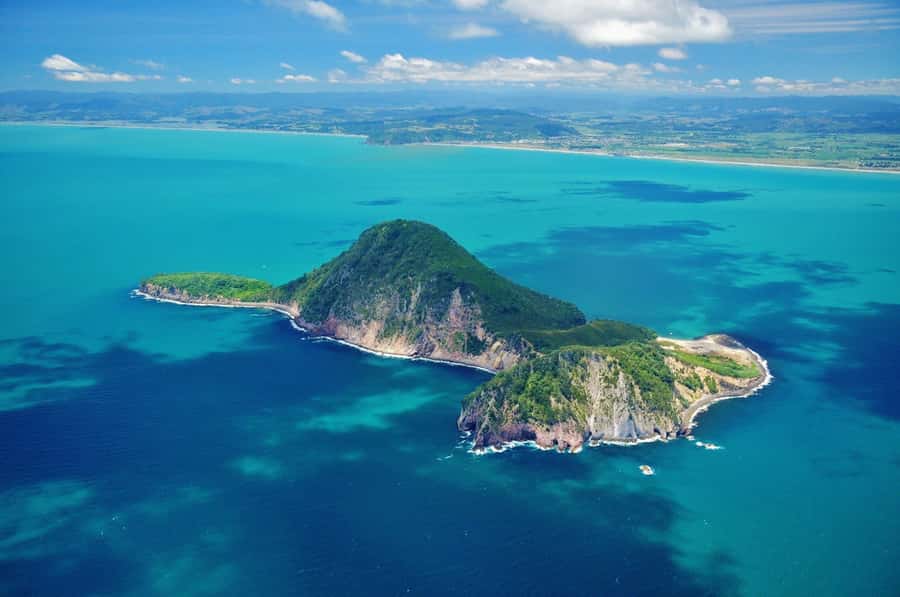
This is a tight, efficient experience: duration is one hour. That matters because it helps you fit it into a Whakatane itinerary without burning a whole day. It also keeps the pacing high. You go from welcome to takeoff to the main viewing, then back down before you overthink it.
The aircraft are modern, with latest avionics and leather seats. That’s not just a comfort detail. Better systems and a well-run flight usually mean smoother handling, and people consistently mention a comfortable, seamless feel from start to landing.
One more thing: this experience is run in a way that feels close to the passengers. Some reviews describe a four-seat plane, which changes the vibe. You’re not looking at the view through a “tour bubble.” You’re sitting close enough that you can see how the pilot is working the angles.
Also, check timing because all flights are weather-dependent. I strongly recommend booking for your first available day in Whakatane. If conditions shift, you’ll be glad you didn’t schedule this as your last stop.
The flight path: circling Whakaari for views and photo angles
Once you’re airborne, the story and the flight are meant to match. The guide shares the meaning of Whakaari in real time, while the pilot positions the plane to show you what matters—active features, steam and colour, and the wider Bay of Plenty approach.
Multiple people highlight the same thing: the pilot takes time to fly for the best sightlines, often with turns that make photographing easier. If you care about pictures, you’ll want to plan for this as an activity where seat position matters. Some people specifically suggest the rear seats offer the best photo vantage.
Here’s the practical mindset I recommend: don’t treat this as a one-shot flyover. Treat it like a guided “viewing session” in the sky. You’re going to get multiple angles. You’ll also see why the volcano keeps looking different as the plane changes position and the light hits steam and rock.
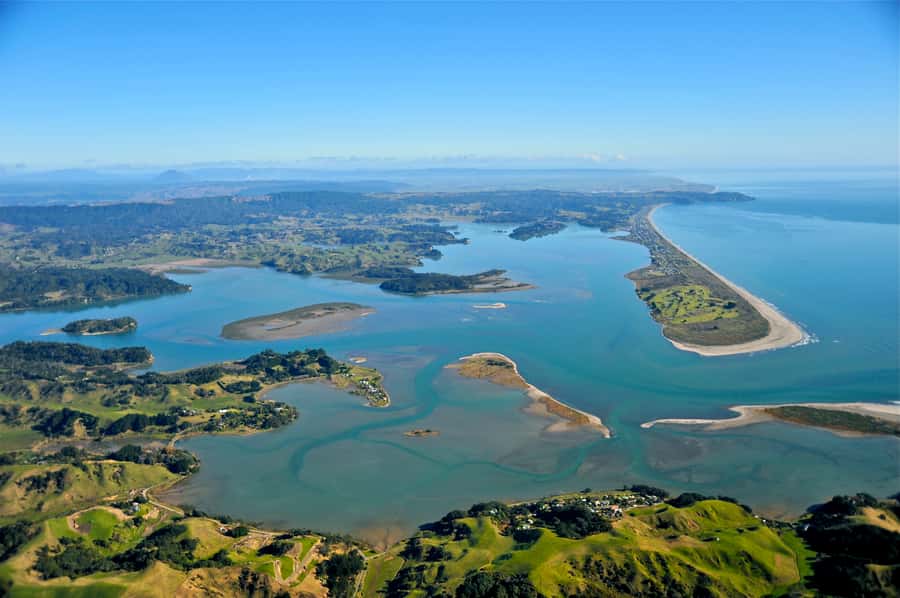
You’ll also pass over nearby coastal scenery and islands. Some people mention Whale Island (Motuhora) alongside White Island, and at least one review notes the return route over the beaches of Whakatane. That means the flight isn’t only about the volcano—it’s also about the bay around it.
Safety and care through manaakitanga and whanaungatanga
This isn’t a chaotic thrill ride. The emphasis is on your safety and comfort paired with Māori values of manaakitanga and whanaungatanga. In plain terms, that shows up as clear guidance, patient handling, and staff who treat you like people, not just ticket numbers.
The way this kind of care matters is simple: it changes how you experience the moment. When you feel calm, you look harder. You notice steam patterns. You take in the setting instead of bracing for the next turn.
And since this is an active volcano, that calm is important. You’re close enough to feel the intensity. The pilots are the difference between feeling nervous and feeling impressed. People mention smooth takeoff and landing, and that kind of steadiness helps you enjoy the flight rather than spend the hour mentally negotiating with your inner ear.
What the guide actually brings to the experience
The guide portion is the heart of the “cultural flight” idea. You’ll hear the powerful story of Whakaari as a cultural icon, and you’ll connect the visual details—especially the volcano’s colours—to mauri or life force.
You also get cultural language and explanations, including how the community relates to this place. The messaging isn’t academic for its own sake. It’s meant to help you understand why this volcano has a role beyond geology.
One of the most praised aspects is the overall feeling of inclusion. People describe pilots and guides who explain each step and make sure everyone feels comfortable, including families and kids. If you’re bringing younger travellers, that matters: you want an experience where attention is shared, not just delivered at speed.
After landing: koha, connection, and leaving with meaning
The experience doesn’t end the second you land. You’re set up for a thoughtful finish: koha and connections following the flight. The team also includes local music, and people mention it as part of what makes the closure feel special.
Think of it like this: the sky shows you the physical reality of Whakaari, but the landing gives you cultural context. Together, they create a memory that sticks.
You also leave with a deeper respect for what you just witnessed. Even if you’ve read about White Island before, this kind of framing can shift what that knowledge means to you. It’s the difference between knowing facts and appreciating a living relationship with place.
Price and value of $388: what you’re paying for in a short hour
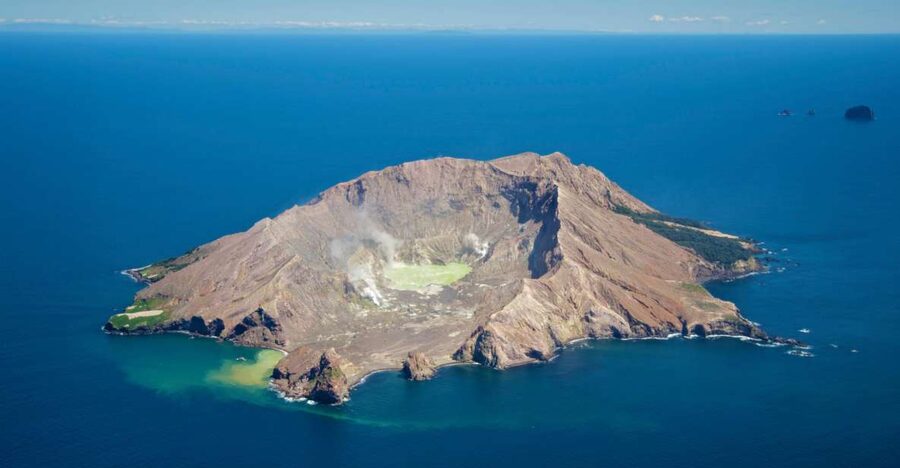
At $388 per person, this isn’t the cheapest thing in the Bay of Plenty. So here’s how I’d judge the value in real terms.
You’re paying for:
- A weather-dependent, one-hour flight that includes views from the air (often up close in positioning).
- A Māori welcome with mihimihi, hongi, and pounamu.
- A live guide and pilot, where the goal is both comfort and storytelling.
- Inflight comfort (leather seats) plus a special inflight service.
- Koha after the experience and local music from Maisey Rika.
So if you just want a basic scenic view, you might feel the price. But if you want a short, high-impact experience that connects scenery with culture and meaning, the price makes more sense. It’s also time-efficient: you get a lot of wow per hour, which can be valuable when you’re moving around New Zealand.
One more value factor: the flight is small-group by design. That closeness can feel worth paying for, especially compared with bigger-aircraft tours where you’re one of many.
Who should book this Whakaari–White Island flight
This works best if you:
- Want an up-close active volcano viewpoint without committing to a long day.
- Appreciate cultural context and want Te Ao Māori storytelling rather than only science talk.
- Care about the viewing experience being actively managed—angles, turns, and photo opportunities.
- Are comfortable with a respectful cultural welcome (including hongi).
It may not be the best fit if you:
- Need wheelchair access or have mobility impairments, since it’s noted as not suitable for those needs.
- Want a guaranteed flight at a specific time, because weather can affect operations.
If you’re the kind of traveller who likes authentic encounters—guided, human, and place-based—this is the right lane.
Practical tips to make your hour go smoothly
Here are the things that help most, based on how the experience is structured:
- Book for your first available day in Whakatane. Weather rules the schedule.
- Go directly to the Whakatane Airport office by the terminal entrance on the right. There’s no hotel pickup.
- Plan to arrive with extra time so you can settle in before the welcome.
- If you’re focused on photos, consider seat position. Some people specifically recommend rear seats for the best viewing angles.
- Expect a small-plane feel and treat it like a guided viewing session, not a fast bus tour.
Also, keep your phone handy after booking. Your flight date/time may shift from your request, and your exact details are confirmed by email.
Should you book Whakaari–White Island with this Māori cultural flight?
If you’re in the Bay of Plenty and you want one standout experience, I’d lean yes. The combination of Māori welcome (mihimihi, hongi, pounamu), live storytelling about mauri and mana, and a pilot-led flight built for views and photos is rare. You’re not just seeing White Island—you’re being taught how to see it.
The main reason to pause is practical: weather can cancel or shift flights, and the activity isn’t suitable for wheelchair users or mobility impairments. If those points are workable for you, this is a strong choice.
FAQ
FAQ
How long is the Whakaari – White Island Cultural and Flight Experience?
It lasts 1 hour.
Where is the meeting point?
When you arrive at Whakatane Airport, the office is next to the terminal entrance on the right side. You’ll see a sign for White Island Scenic Flights, and parking is free.
Is hotel pickup or drop-off included?
No. Hotel pickup and drop-off are not included.
Do flights run in all weather?
Flights are subject to favorable weather conditions.
What happens during the Māori welcome?
You’ll receive a Māori welcome that includes mihimihi, hongi, and pounamu.
Is there a tour guide on the flight?
Yes. There is a live tour guide in English, along with the pilot.
What music is included?
Local music from famous Māori artist Maisey Rika is included.
Is it suitable for wheelchair users or people with mobility impairments?
No. It is not suitable for people with mobility impairments or wheelchair users.
Can I cancel after booking?
Free cancellation is available up to 24 hours in advance for a full refund.
Is it possible to book with a pay-later option?
Yes. You can reserve now and pay later, meaning you book your spot and pay nothing today.