REVIEW · PORTLAND
Maine Whale Watching Tour in Portland
Book on Viator →Operated by Maine Coast Cruising · Bookable on Viator
One storm of spouts and sightings starts in Portland. This tour mixes classic Maine lighthouses with a real 2-hour whale watching window in Casco Bay, so you get both scenery and wildlife time on the same outing. I especially like how the crew brings the ocean to life, and I like that the group stays small (up to 14), which helps you actually feel part of what’s happening. The main thing to consider is that the ride is intense and not always smooth, so if you get seasick easily, plan carefully.
You’ll also like the lighthouse stops built into the route. Portland Head Light and Halfway Rock are both quick but meaningful breaks, and they add variety before you head out for whales. The possible drawback: this is a high-energy boat day, and it’s a whale watch, not a guaranteed wildlife show—one day can be spout-heavy, another can be quiet.
In This Review
- Key Highlights You’ll Feel From This Tour
- Where You Start: Portland Marina Area and What the Day Feels Like
- The Lighthouse Stops: Quick Views With Real Maine Character
- Portland Head Light: Oldest in Maine at the Harbor Entrance
- Halfway Rock Lighthouse: What’s Left After Storms
- The Main Event: 2 Hours of Whale Watching in Casco Bay
- What You’re Actually Looking For
- When Conditions Get Cold or Choppy
- The Boat Style: Fast, Close-Up, and Not for Everyone
- What People Loved About the Ride
- Comfort and Motion-Sickness Considerations
- Tips That Will Make Your Day Smoother (Even If Whales Don’t Cooperate)
- Who This Tour Is Best For
- Value for Your Time: Why This 3.5-Hour Format Works
- Should You Book This Whale Watch From Portland?
- FAQ
- How long is the whale watching tour from Portland?
- Where does the tour start and end?
- Is the tour in English?
- Do I get time to actually watch for whales?
- What should I know about weather and sea conditions?
- Is there an age minimum?
Key Highlights You’ll Feel From This Tour
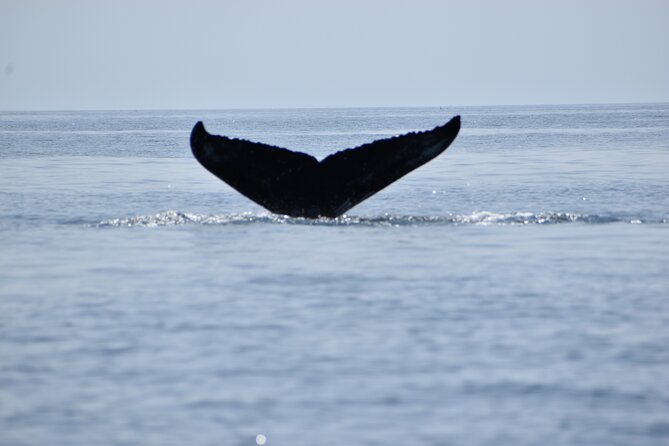
- Small group size (max 14) keeps the experience personal and easier to follow
- Two full hours of whale watching time gives you a real shot at sightings, not just a quick pass
- Lighthouse stops at Portland Head Light and Halfway Rock add payoff even on choppy days
- RIB or zodiac-style intensity means speed, cold spray, and a close-to-the-water ride
- Naturalists and captains with real marine know-how help you spot what’s out there faster
- Weather-driven changes happen, including last-minute cancellations when seas are unsafe
Where You Start: Portland Marina Area and What the Day Feels Like
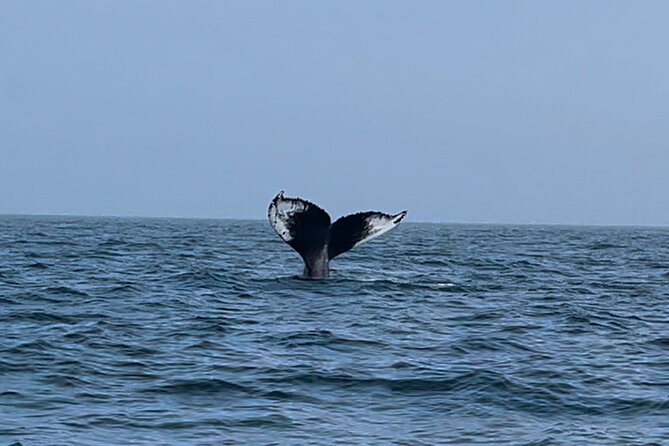
You begin in Portland at 1 Marina Wy, Portland, ME 04101, and the activity ends back at the same meeting point. The whole experience runs about 3 hours 30 minutes total, including travel time, and you’ll be on the water long enough to feel like you did something, not just checked a box.
The vibe is practical from the start: you get a mobile ticket, and communication is handled through booking confirmation. Because it’s near public transportation, you can build it into a Portland day without needing a car—but do expect you’ll still want to arrive early and sorted, since meeting up on a marina can be easier when you have a little buffer.
A quick note on fit: the day calls for moderate physical fitness. That doesn’t mean you need to be an athlete, but you should be comfortable moving around the dock area and managing your footing with waves and boat movement.
The Lighthouse Stops: Quick Views With Real Maine Character
This tour gives you two lighthouse moments, and I like that both are tied to the local geography instead of feeling like random roadside photo stops.
Portland Head Light: Oldest in Maine at the Harbor Entrance
Your first stop is Portland Head Light in Cape Elizabeth. It’s a historic lighthouse that sits right on a head of land at the entrance to the primary shipping channel into Portland Harbor, within Casco Bay. Completed in 1791, it’s described as the oldest lighthouse in Maine—so even though you’re only there briefly, the place has weight.
What makes this stop useful is timing and orientation. Standing here helps you understand where the boats will be heading and why Casco Bay feels like a working seascape, not a postcard. It’s also a good reset before the boat ride gets fast.
One drawback: the stop is short (about 5 minutes), so if you’re hoping for a long photo session or an unhurried look, plan to prioritize your shots and keep moving.
Halfway Rock Lighthouse: What’s Left After Storms
Next up is Halfway Rock Lighthouse, a lighthouse tower on a barren ledge in Casco Bay. Only the tower and an attached former boathouse remain; the other buildings were taken away in storms.
The name is part of the geography lesson. Halfway Rock is halfway between Cape Elizabeth and Cape Small, and those capes are about 18 nautical miles apart. This is the kind of detail that makes the whole bay feel mapped and intentional—like you’re seeing the ocean’s route system.
Again, it’s a quick stop (about 5 minutes). But even with limited time, you’ll get the point: this is a lighthouse shaped by weather and survival, not by comfort.
The Main Event: 2 Hours of Whale Watching in Casco Bay
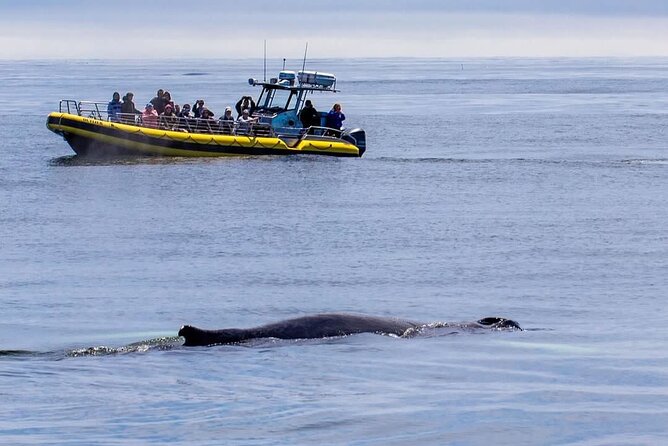
Then you switch from land history to sea action. The whale watching portion runs about 2 hours, and the admission for this part is included.
Here’s the key reality check: whale watching is a search, not a vending machine. Some days you’ll be greeted by a lot of surface activity; other days the whales keep their distance. The tour still has value on quiet days because you’re close to the water, and you’re out in the right system with experts spotting patterns.
What You’re Actually Looking For
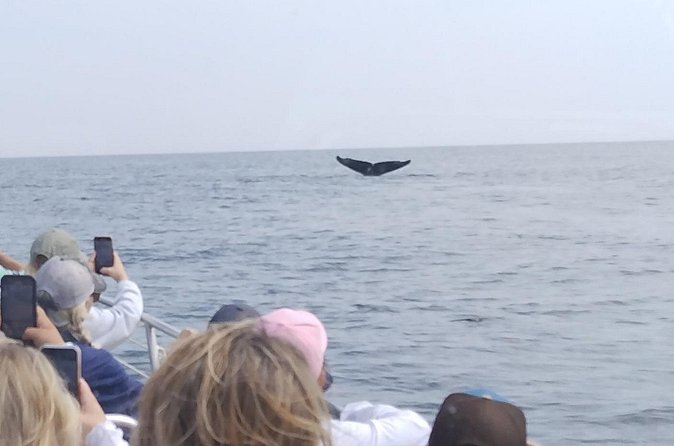
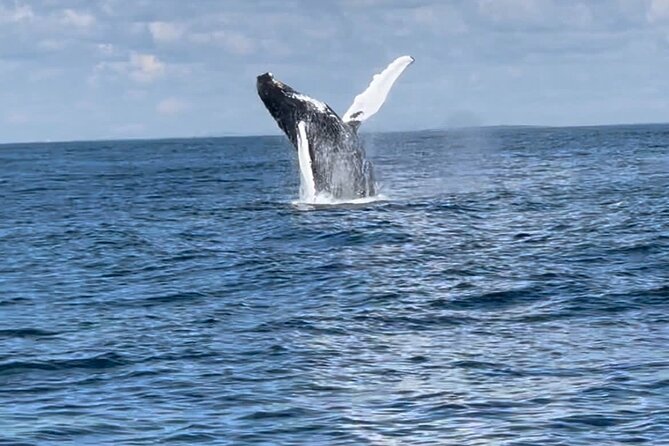
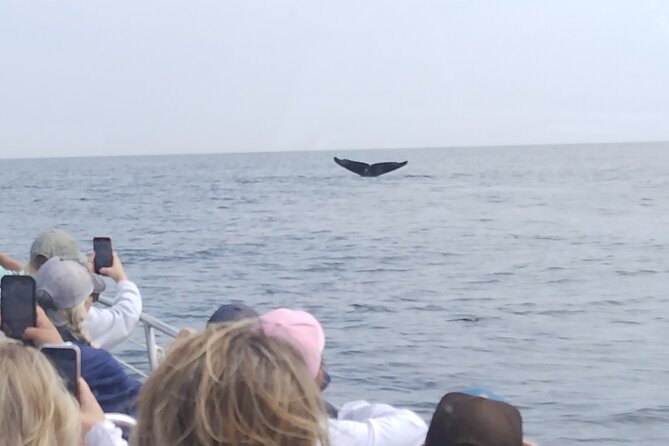
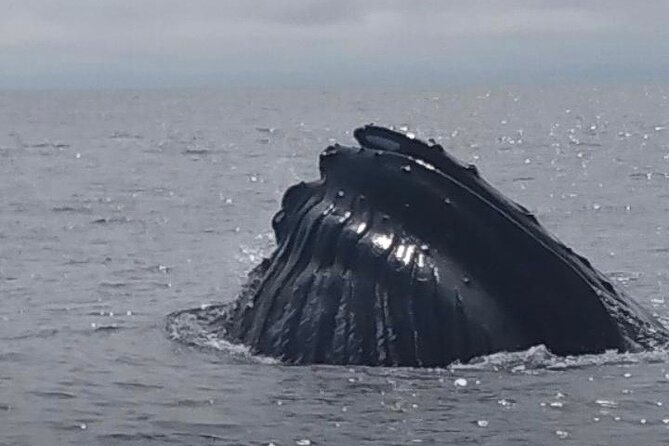
From the descriptions you can expect a mix of large whales and smaller marine life, depending on conditions. One common pattern in the trip experiences shared is sightings like fin whales, humpbacks, and harbor porpoises, plus other surface activity such as spouts and smaller whale sightings. On some days, dolphins show up even when whales don’t.
The crew typically helps you interpret what you’re seeing. In multiple accounts, the captain and naturalist were the difference between just being on a boat and actually understanding the water.
When Conditions Get Cold or Choppy
If you’re prone to feeling cold on boats, take it seriously. A recurring piece of advice is that warm layers matter, because when the boat speeds up the wind and spray can bite hard. People specifically mention needing to bring warm clothes, and the general impression is that this is not a leisurely cruise deck experience.
Also, be prepared for Maine to do Maine things. Fog happens. Waves happen. In one case, a trip was cancelled by the vendor due to high waves, and in another situation, weather turned worse right after departure. Even when the day goes forward, it can be grueling at times, especially with cold wind and larger seas.
The Boat Style: Fast, Close-Up, and Not for Everyone
This is where expectations make or break the day.
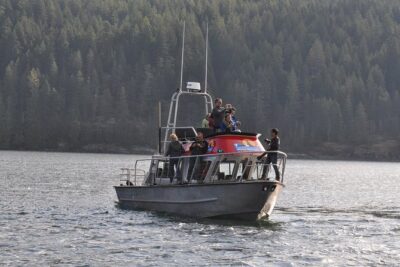
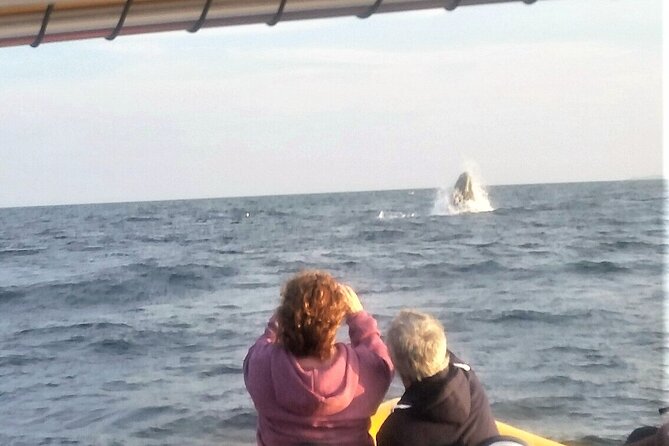
Many experiences describe a zodiac-style / RIB-style ride: quick acceleration, speed, and a close-to-the-water feel. That’s a huge part of why people love it when it works. You get motion and immediacy. You also get cold air and more intensity than on larger vessels.
What People Loved About the Ride
When conditions were right, people described it as thrilling and fun, especially when whales showed up. One highlight is that sightings can feel close and real, not distant, because the boat is maneuvered for getting into the action.
Captains and crew also play a role. Several names come up repeatedly: Chris (including a captain named Chris), Neil, and Randy. You’ll also see reference to a naturalist named David, and a guide named Kate in one account. The point for you: this isn’t just driving to an area and hoping—there’s active searching and explanation.
Comfort and Motion-Sickness Considerations
The main caution is not just speed—it’s the combination of speed and seating style. One account notes uncomfortable seating with a saddle-like setup that can make you straddle the seat, and that there isn’t much personal space. That matters if you’re shorter, over a certain size, or simply prefer a more relaxed posture.
If motion sickness is your weakness, take it seriously. One shared experience describes a party member who became sick despite trying motion sickness products, and the rider felt it was too much. The takeaway is straightforward: if you know you’re sensitive, choose your day wisely and talk to your doctor about prevention strategies.
If you’re not the adventurous type, or you want a slower, larger-boat ride, you might prefer a different whale watch format.
Tips That Will Make Your Day Smoother (Even If Whales Don’t Cooperate)
I can’t promise whales, but I can promise these habits improve your odds of enjoying whatever the ocean delivers.
- Dress for speed and wind, not for land weather. Warm layers matter, and you may want waterproof outer gear if the day is wet or spray-heavy.
- Bring layers you can keep on. When the boat moves, you won’t be able to stop and warm up easily.
- Give yourself time at the marina. One account described getting directions wrong even with GPS and missing the departure, with no-shows treated as non-refundable. So: arrive early, confirm the exact spot, and keep your phone charged.
- Treat the day like an ocean workout. Even if you’re not climbing anything, you’ll be dealing with movement, boarding rhythms, and cold wind.
- Listen to the crew. When sightings happen, they tend to happen fast. The better you follow the explanations, the more you’ll catch.
Who This Tour Is Best For
This is a great fit if you want an adventurous, close-to-the-water whale watch and you enjoy learning as you go. It also works well if you like history-by-way-of-place, because you’ll get Portland Head Light and Halfway Rock rather than heading out with nothing to see.
It’s also a good choice for couples, friends, and families who can handle motion. Multiple experiences include couples and families, including an older traveler with assistance from the crew getting on and off the boat.
It may be a weaker fit if:
- you get seasick easily
- you want a calm ride
- you need lots of comfort space
- you’re traveling with very small kids (the seating style was specifically flagged as not ideal for very young children, and an age minimum of 6 years old was stated)
Value for Your Time: Why This 3.5-Hour Format Works
A common complaint about boat trips is they feel either too short to matter or too long to stay comfortable. This one tries to balance both.
You get:
- Two lighthouse stops that give you structure and context
- Two hours of whale watching time, which is a meaningful window
- A ride style that maximizes your chance of feeling the wildlife moments as they happen
The small group size (max 14) helps with attention. You’re not lost among dozens of people. That tends to make the naturalist talk and spotting tips land better.
And because the whale watching portion includes admission, you’re not piecing together extra add-ons mid-day.
Should You Book This Whale Watch From Portland?
Book it if you want a real Maine ocean outing with speed, sea views, and a solid wildlife search window. You’ll probably enjoy it most if you dress for cold, don’t mind movement, and you like hearing what the crew is watching for—especially with captains and naturalists like Chris, Neil, Randy, David, and Kate coming up in these experiences.
Skip it or choose a different option if you’re seeking calm or you have a high risk of seasickness. In those cases, the same ride intensity that thrills many people can frustrate you fast.
Finally, go in with the right mindset: you’re paying for an expedition, not a guarantee. When the sea cooperates, this tour has the ingredients for a day you’ll remember.
FAQ
How long is the whale watching tour from Portland?
The total experience runs about 3 hours 30 minutes, including travel time.
Where does the tour start and end?
It starts at 1 Marina Wy, Portland, ME 04101, USA, and it ends back at the same meeting point.
Is the tour in English?
Yes, the experience is offered in English.
Do I get time to actually watch for whales?
Yes. The whale watching portion is about 2 hours, and admission for that part is included.
What should I know about weather and sea conditions?
This experience requires good weather. If it’s cancelled due to poor weather, you’ll be offered a different date or a full refund.
Is there an age minimum?
An age minimum of 6 years old was stated, and the seating style was noted as not ideal for very young children.