REVIEW · FREMANTLE
Educational Whale Watching Tour from Perth
Book on Viator →Operated by Whale Watch Western Australia · Bookable on Viator
One look at the ocean and you start hunting stories. This 2-hour whale watching cruise from Fremantle in Western Australia focuses on whale migration, with a naturalist guide explaining what you’re seeing in real time, plus underwater gear to help you spot life below the surface.
I love how respect comes first—the crew’s whole approach is to observe, not push whales around. I also like the practical comfort: you’re on a spacious boat designed to watch without getting drenched, and you get free wildlife photos afterward.
One thing to plan for: the sea can get rough in windy weather, and a few people may feel sea-sick during the ride out. If that’s you, choose your seat wisely and bring your usual motion-sickness tricks.
In This Review
- Key things to know before you go
- Whale watching off Fremantle’s coast: what makes this cruise work
- Getting started at South Fremantle: meeting, boarding, then out to Geographe Bay
- The 2-hour cruise: how the time on the water is used
- What you’ll actually look for: humpbacks, southern right whales, and more
- The Captain’s lounge and seating: small choices that change the whole vibe
- Underwater camera and hydrophone: turning a distant sound into a lesson
- Photos included: why this is more than a nice extra
- Morning vs afternoon departures: how to choose based on conditions
- Value and price: is $68.14 a fair deal?
- Who this whale watching cruise is best for
- Quick reality checks before you book
- Should you book the Educational Whale Watching Tour from Perth?
Key things to know before you go
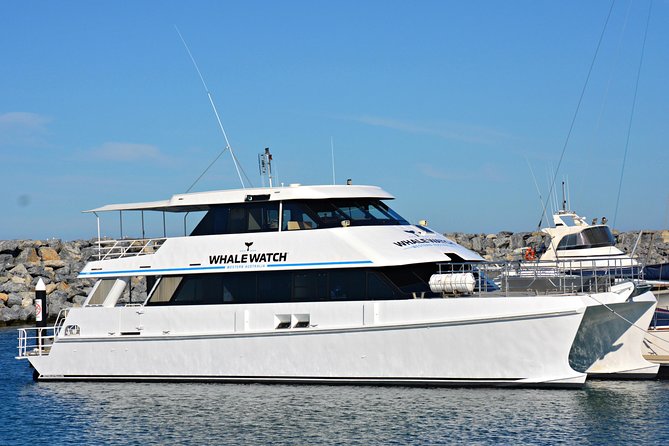
- Humpbacks and southern right whales are the main targets, along with dolphins, seals, and seabirds.
- Morning or afternoon departures give you flexibility based on the day’s weather.
- Underwater camera and hydrophone help you understand what’s happening below the surface.
- 100% lifetime sighting guarantee means you can return with no expiry if your target species aren’t seen.
- A small group feel is possible with a maximum of 72 people on board.
- Free professional photos are taken during your cruise, so you’re not stuck hunting for the perfect shot.
Whale watching off Fremantle’s coast: what makes this cruise work
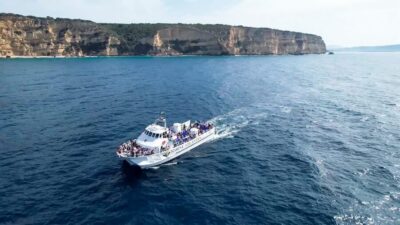
This tour plays in a great part of Western Australia. You’re heading out from Fremantle and working the waters around Geographe Bay, where the migration route can bring humpbacks and southern right whales closer to shore than you’d expect. The result is a style of whale watching that feels close enough to stay engaged, but still grounded in a respectful wildlife viewing approach.
What really makes it work for me is the combination of science-minded commentary and smart gear. The boat runs with an underwater camera so you can see activity beneath the surface, and there’s a hydrophone that turns whale sounds into something you can actually track during the cruise. It’s not just a wildlife spotting mission. It’s a guided way to read whale behavior.
You’ll also notice that the experience is built for repeat visits. The company offers a 100% lifetime sighting guarantee, which is rare in the best way. If your cruise doesn’t land the right species on that day, you’re not stuck with a shrug and an empty memory card—you get a return ticket that can be used anytime with no expiry date, and you can even pass it on to family or friends.
Getting started at South Fremantle: meeting, boarding, then out to Geographe Bay
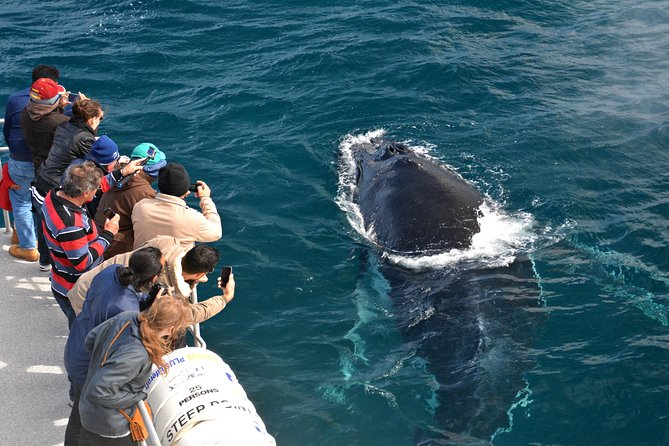
Your adventure starts at 2 Capo D’Orlando Dr, South Fremantle WA 6162. The tour ends back at the same meeting point, so you’re not trying to figure out a one-way transport puzzle afterward.
Because the activity is described as near public transportation, it’s relatively easy to pair with a day in Fremantle without building a complex schedule. The tour also uses a mobile ticket, so you’re not juggling paper confirmations while you’re trying to find the dock area.
Boarding on a boat like this matters more than people think. A few reviews note sound can be hard to hear from certain spots on the vessel, especially if you’re farther forward. So I’d give you this simple tip: aim for seating where you can see the guide and clearly hear the commentary. If you’re prone to motion sickness, also try to choose a location that feels steadier to you. (Most people do best somewhere mid-boat rather than at the extremes, but your body gets the final vote.)
From there, you’ll head out on the water searching for whales. Expect a steady pace: the boat isn’t a “zip out, zip back” sprint. The point is to spend time with the wildlife once you’re in range.
The 2-hour cruise: how the time on the water is used
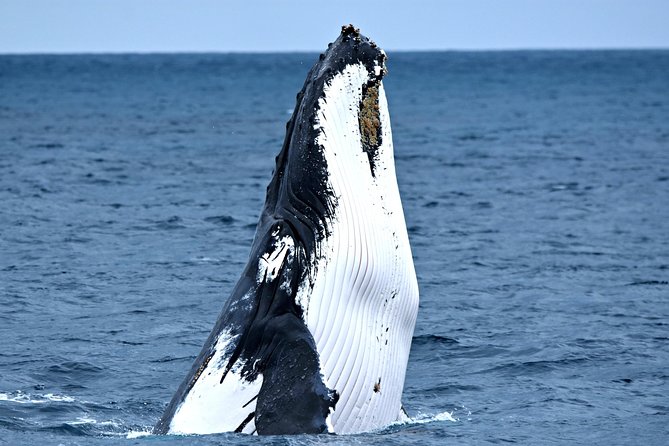
The whole tour runs about 2 hours. That’s a good sweet spot. Long enough to locate whales and learn what you’re seeing, short enough that you’re not trapped on the water all day if conditions change.
During the cruise, your naturalist guide provides live commentary about whale migration along the Western Australian coast. The focus isn’t only identification. It’s what whales are doing and why it matters—things like seasonal movement and behavior patterns you can actually observe at the surface.
The “eco” part here is more than marketing. The company’s stated approach is to observe and not influence behavior. Practically, that means the crew aims to keep the whales’ natural actions intact while you watch. You should feel that in the way the boat works around sightings: less like a theme-park encounter, more like a patient wildlife viewing session.
Also, remember the cruise is designed so you can watch without getting wet. That’s a real comfort upgrade if it’s windy or cool. Bring layers anyway, because even a dry, covered ride can still feel cold once you’re out on open water.
What you’ll actually look for: humpbacks, southern right whales, and more
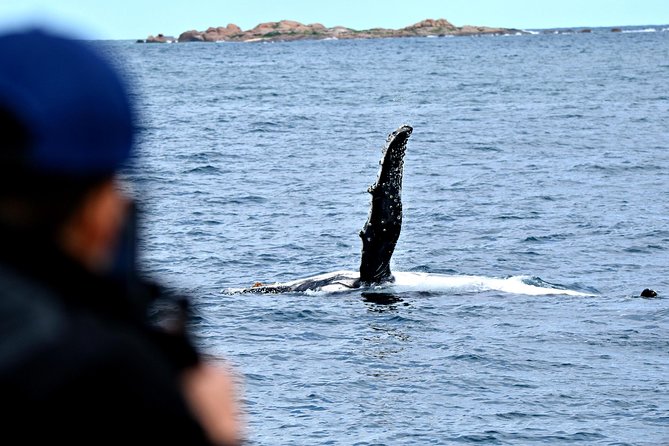
This tour targets humpback whales and southern right whales. Those species have different behavior styles, and the guide’s commentary is meant to help you catch the patterns—what to watch for, how it ties back to migration, and what certain body movements often mean.
When humpbacks show up, you’re often looking for surface activity: rolling, breaching, tail slaps, and the general “busy” feeling humpbacks can have when they’re feeding or traveling. Southern right whales can be a little more understated at the surface, so you may need to stay patient for the right moment—slow, deliberate movement, calm surface time, and the sort of behavior that’s easier to miss if you’re scanning too fast.
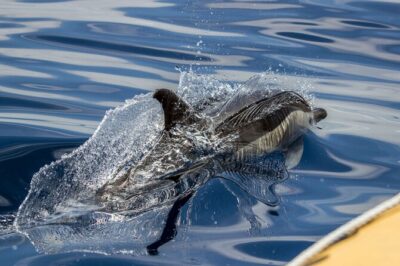
You’ll also have a chance at seeing other marine life—dolphins, seals, and seabirds—and that’s helpful because even on days when whales aren’t constant, the ocean doesn’t feel empty. The guide can help connect those sightings to the bigger picture of what’s happening in the water that day.
One more reality check: whale watching can be quiet sometimes. The tour tries to offset that with the lifetime sighting guarantee, and that’s a big part of the value. But even with good luck, you may not see constant action. That’s normal. The point is to watch the behavior you do get—then understand it.
The Captain’s lounge and seating: small choices that change the whole vibe
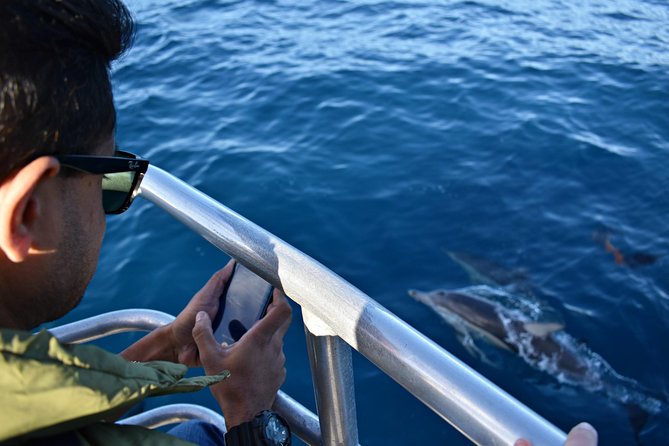
On some departures, there’s an upgrade that puts you closer to the action—often talked about as a captain’s cabin or captain’s lounge experience. Several people loved it because it’s easier to get a clear view while also feeling comfortable and cared for, with snacks and drinks mentioned in those experiences.
You don’t need an upgrade to enjoy the cruise, but if you’re the type who wants the best angles for spotting whales and taking photos, it can make a difference. On a boat, the difference between “seeing whales” and “seeing whales well” is often where you sit.
Seasickness is the other seating-related issue. The ride can get bumpy when weather turns. The crew is prepared to handle people who feel unwell, but you’ll still want to be smart. If you’re sensitive, plan ahead:
- Wear a warm layer and keep your core comfortable.
- Consider seat choice that feels steadier for you.
- If you already know you get motion sick, use your usual meds or methods before boarding.
Underwater camera and hydrophone: turning a distant sound into a lesson
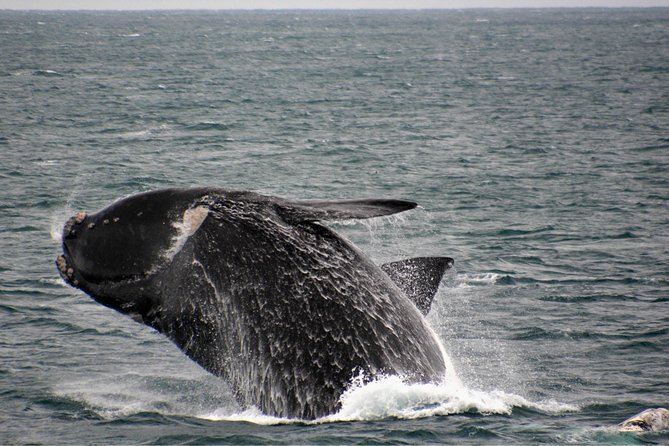
This is one of the most useful features for understanding whale behavior. The boat uses an underwater camera, which can show movement that you’d otherwise miss because the best whale action is often just under the surface.
The hydrophone is the other major piece. Whale sounds are part of communication, navigation, and behavior. With the hydrophone, those sounds become something you can listen for while the guide ties it back to what you’re seeing on deck.
The result is that the cruise feels more educational than “stand around and hope.” You spend less time guessing and more time reading the situation—why the whales might be moving the way they are, why certain sounds matter, and how that connects to migration patterns.
Photos included: why this is more than a nice extra
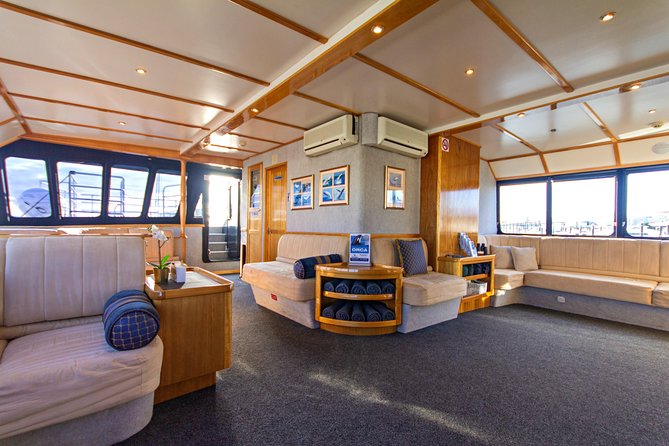
You get free professional photographs taken during your tour. This matters because whale watching photography is hard, even for people with good cameras. You’re dealing with distance, wind, and the fact that whales don’t follow your schedule.
The photos mean you can focus on watching without feeling like you must capture everything yourself. They also give you a backup if the weather or your seat location makes phone shots tricky.
If you care about documenting the day (and I do), this is one of those small included benefits that quietly improves the value. You come home with proof you were there—even if the whales behaved like whales and did things on whale time.
Morning vs afternoon departures: how to choose based on conditions
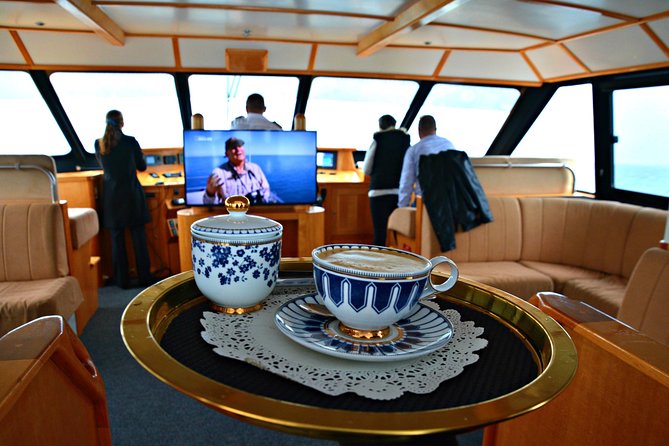
The tour gives you a choice of morning or afternoon departure. That flexibility helps because sea conditions can change throughout the day. In cooler, windy weather, I’d lean toward the departure time that best matches your comfort and expectations.
One practical tip: if you wake up to cold, rainy, or rough conditions, be ready for possible schedule adjustments. A few experiences describe the cruise being swapped between afternoon and morning when conditions warranted it. That tells me the operator watches the sea closely and tries to keep the outing workable.
If you hate early mornings, you can still choose afternoon and trust the crew’s judgment. If you hate being cold, consider planning around a time when you’ll be least likely to feel miserable on deck. Either way, bring layers. The water doesn’t care that your itinerary does.
Value and price: is $68.14 a fair deal?
At $68.14 per person, this cruise sits in a range that can feel reasonable or pricey depending on what you compare it to. Here’s how I think about value.
First, you’re paying for more than a boat ride. You get:
- live commentary focused on whale migration and behavior,
- underwater camera and hydrophone tech,
- free professional wildlife photos,
- and a 100% lifetime sighting guarantee with a return ticket option if the target species aren’t sighted.
That guarantee is the real “value anchor.” Whale watching is a luck-based activity, and the guarantee is a way to protect your money and your time. If you’re planning your trip tightly, this kind of safety net matters.
Second, the group size cap of 72 helps keep the experience from feeling like a cattle drive. It won’t be private, but it’s not a tiny speedboat either. You can still see and hear the guide if you pick your spot well.
Finally, the tour’s duration—about 2 hours—keeps the cost and time commitment manageable. You get a wildlife encounter plus education without losing half your day to transit and waiting.
Who this whale watching cruise is best for
This is a strong pick if you want:
- a guided, educational whale experience rather than a silent boat ride,
- a comfortable way to watch whales without getting wet,
- and a flexible schedule option (morning or afternoon).
It’s also a good fit for families who can handle a 2-hour outing on the water—just keep in mind that if someone in your group is very prone to sea sickness or can’t handle bumpy conditions, you may want to plan carefully.
If you’re traveling solo, you’ll likely enjoy the structure and the ability to focus on spotting and listening to the guide. If you’re traveling as a couple, you’ll appreciate that it’s short enough to feel like an excursion, not a full-day mission.
And if you’re serious about maximizing your odds, treat the cruise as a learning session. Once you know what to look for—surface behavior, possible sound cues, and migration patterns—it becomes easier to recognize whale activity quickly.
Quick reality checks before you book
Here’s what you should know so you’re not surprised:
- You’re looking for wildlife in the ocean. Some days are quieter than others.
- Wind and cold can make the ride feel rough, even when the boat is comfortable.
- Sound quality varies by where you sit, so choose a spot where the guide’s commentary comes through clearly.
- The operator’s guarantee helps if whales of your tour aren’t spotted, but you still want to go prepared for the weather.
If you keep these points in mind, you’ll be more relaxed and you’ll enjoy the cruise more.
Should you book the Educational Whale Watching Tour from Perth?
I think you should book this tour if you want an organized, respectful whale watching experience with real educational guidance, plus the comfort of not getting wet and the added bonus of free professional photos. The underwater camera and hydrophone are a strong reason to choose this over a basic boat tour, and the 100% lifetime sighting guarantee is the standout protection for a luck-based activity.
Skip it only if you know you react badly to choppy water and can’t manage motion sickness, or if you’re looking for a fast, casual “see whales if possible” outing with minimal instruction.
If you’re flexible with departure time and you dress warm, this is exactly the kind of short excursion that can turn into a favorite memory—because you won’t just see whales, you’ll understand what they were doing.