REVIEW · HUATULCO
Dolphin & Whale Watching with Marine Biologists
Book on Viator →Operated by Oceanico · Bookable on Viator
A morning on the water beats a screen. This small-group trip pairs marine biologists with a hydrophone so you learn as you watch. You’re out for dolphins, whales, and sea turtles, with the goal of respectful sightings.
What I really like is the mix of science and hands-on spotting. You get a briefing before you sail, then your guide uses local know-how and spotters to chase the best chances.
Second, I like that the tour stays small, with space to move. One reviewer even praised not being overbooked, which matters when you want to shift positions for views.
One drawback to plan for: it’s weather-dependent. If conditions are rough, the experience can be canceled, and you may need to switch dates.
In This Review
- Key highlights at a glance
- What You’re Really Buying in Huatulco
- Meet-Up at Chahué Marina: Easy to Find, Easy to Start
- The Marine Biologists Briefing: Spot Smarter, Ask Better Questions
- Huatulco National Park: Why the First Main Area Is the Right Bet
- The Hydrophone Moment: Hearing Whales Instead of Guessing
- What You’ll Likely See: Seasonality and Species Mix
- Respecting Wildlife Space: The Big Difference You’ll Feel
- Boat Comfort, Sun Protection, and Swell Reality
- Safety Details That Affect Real People
- Price and Value: The $59.74 Deal and the Extra Cash Fees
- Morning Time Beats the Crowd Anxiety
- Who Should Book This Tour (and Who Might Skip It)
- Should You Book Dolphin & Whale Watching with Marine Biologists?
- FAQ
- What is the duration of the dolphin and whale watching tour?
- Where does the tour start?
- What time does the tour depart?
- Is the tour offered in English?
- How many people are on the boat?
- What’s included in the price?
- What fees are not included?
- Is there a minimum age?
- Are lifejackets provided?
- What happens if it’s canceled due to weather?
- Can I get a refund if I cancel?
Key highlights at a glance
- Marine biologist briefing before you cast off, focused on Huatulco’s whales, dolphins, and sea turtles
- Hydrophone on board so you can hear whale singing and dolphin communication
- Small maximum group size (14 people) for better viewing and less crowding
- Humpback odds are strong in season (90% of tours December through March)
- National Park focus with a goal of respectful, regulation-aware wildlife watching
What You’re Really Buying in Huatulco
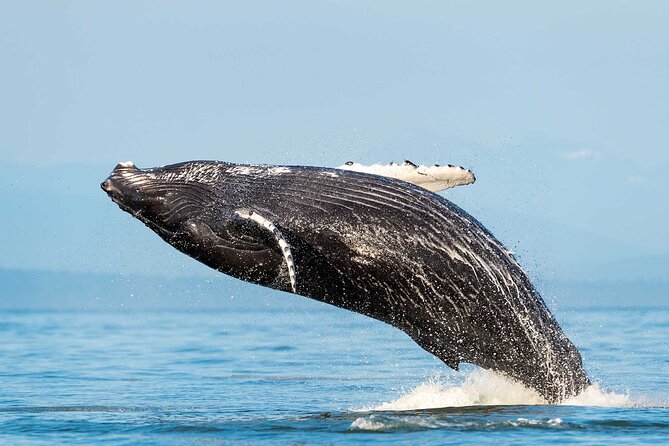
This isn’t just a boat ride with a wildlife soundtrack. You’re paying for a guided, science-minded look at marine life in one of Mexico’s better known places for whales and turtles.
The tour also has a practical edge. You’re not left to stare and guess. You get briefed on what to look for, and then you follow the crew to where sightings are most likely. That alone can turn a maybe day into a wow day.
And it’s not one-note. Even when humpbacks aren’t in the mood, you can still end up with dolphin pods, sea turtles, and other animals in the area. The whole point is variety, but with a clear conservation-minded approach.
Meet-Up at Chahué Marina: Easy to Find, Easy to Start
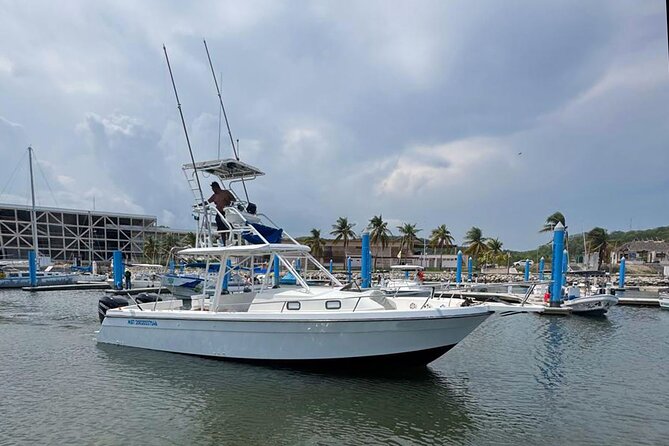
You meet at Oceanico Huatulco, Sector P, at Marina Chahue. Start time is 8:00 am, and the trip ends back at the same meeting point.
This start is smart for two reasons. First, you’re on the water early, when wildlife activity is often easier to spot from a moving boat. Second, you get most of your day back afterward, without turning the morning into a half-day commitment.
The tour uses a mobile ticket, which keeps your wallet simple. It’s also listed as near public transportation, which helps if you’re staying somewhere that isn’t walkable to the marina.
The Marine Biologists Briefing: Spot Smarter, Ask Better Questions
Before you head out, the crew gives a short briefing on the whales, dolphins, and sea turtles of Huatulco. This matters more than you might think.
When you know what you’re looking at, you stop missing the small tells. You can learn how humpbacks behave, what dolphin social groups can look like, and what turtle sightings tend to feel like from the boat perspective.
In real terms, you’ll get better views because you’re prepared to recognize key behaviors. A marine biologist guide also means your questions are welcome, not brushed off. One strong thread from feedback is that asking questions turns the outing into a real learning experience, especially if you’re the type who pays attention to details like calls, movement, and habitat.
Also, you might be guided by folks like Scarlett or supported by captains such as Tito on some departures, and other mornings have been led by guides such as Peter with colleagues like Tony. Whoever you get, the focus stays the same: explain what you’re seeing and respect the rules of the water.
Huatulco National Park: Why the First Main Area Is the Right Bet
The itinerary’s main named target is Huatulco National Park. That’s not just a label. It usually signals two things you care about as a visitor: rules that protect wildlife and an area where sightings are expected to happen.
Your crew departs the marina, then they push toward the most promising zones using their local network of spotters. In other words, you’re not waiting around in one random patch.
The park angle also fits the conservation-minded tone you’ll feel during the tour. You’re there to observe, not chase. That’s the difference between watching animals and interrupting them.
One practical note: plan for the boat to be moving. Even when wildlife is near, you’re dealing with current, wind, and waves. That’s part of the game here, so wear and pack like you’re going to get out on the water for real.
The Hydrophone Moment: Hearing Whales Instead of Guessing
This tour includes a hydrophone, an underwater microphone used to listen to whale singing and dolphin communication.
If you’ve only ever watched wildlife from the surface, this is a major upgrade. Sound adds another layer. You start connecting behavior you see with calls you hear, even if you don’t spot the animal at that exact second.
It’s also a great equalizer. If the day is a little “slow” visually, audio can still bring the experience to life. And if you are into photography or nature recording, this kind of detail gives you context for what you’re capturing.
The hydrophone is one of those features that sounds technical, but on the boat it’s simple: it turns the ocean into a place with signals, not just scenery.
What You’ll Likely See: Seasonality and Species Mix
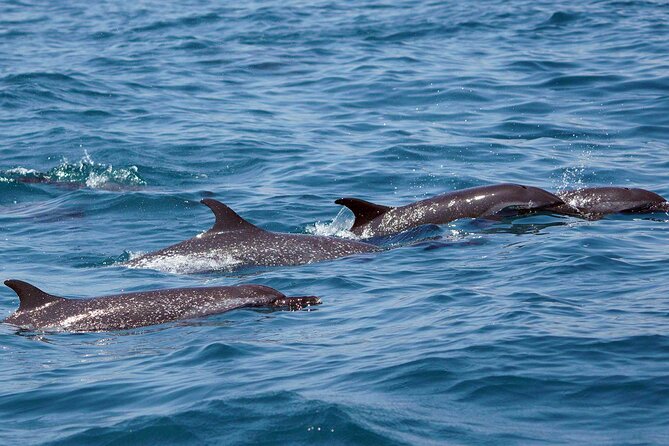
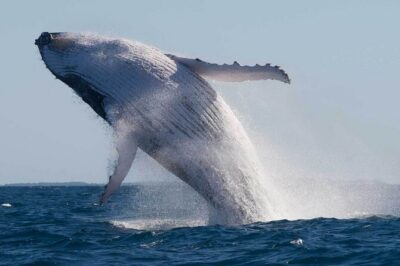
Huatulco has a strong track record for whales, especially in winter. The operator states that humpback whales can be seen on 90% of tours from December through March.
That’s a meaningful promise if you’re traveling during that window. It gives you better odds than the usual “we’ll try our best” style of whale watching.
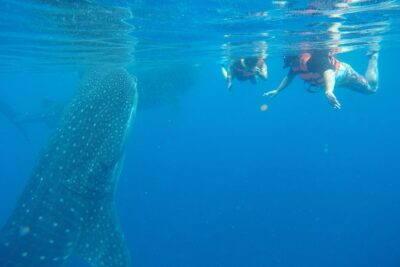
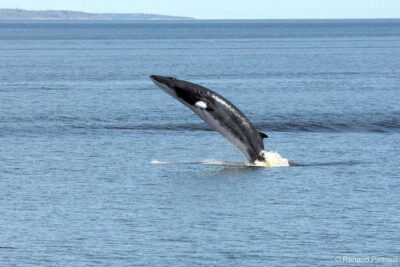
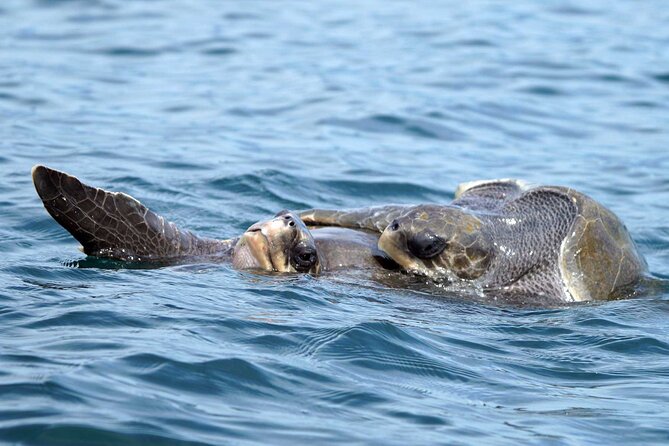
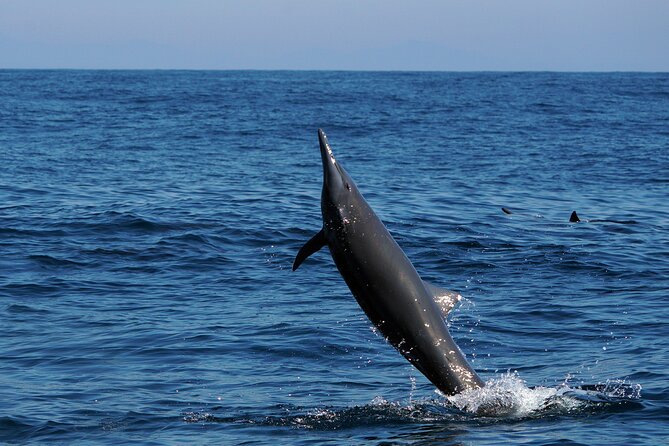
But even outside peak season, you’re not just waiting for one species. Dolphin pods and sea turtles show up often. You might see spotted dolphins, bottlenose dolphins, and sea turtles like olive Ridley turtles, and the tour’s goal is to share sightings of the animals you encounter, not just whales.
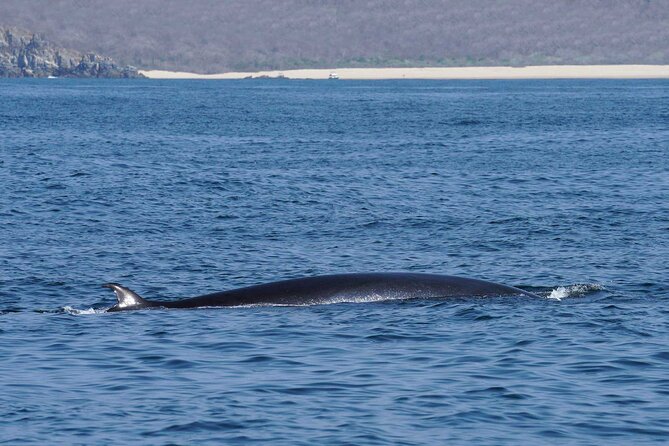
A few extra species have shown up on some departures, based on past experiences: manta rays and mobula rays, plus occasional sightings like sea snakes or sailfish. You may also hear about days when whales don’t appear, but the rest of the wildlife makes up for it.
Here’s the balanced take: you should book for the overall mix, but in December to March, you’re especially booking for humpback odds.
Respecting Wildlife Space: The Big Difference You’ll Feel
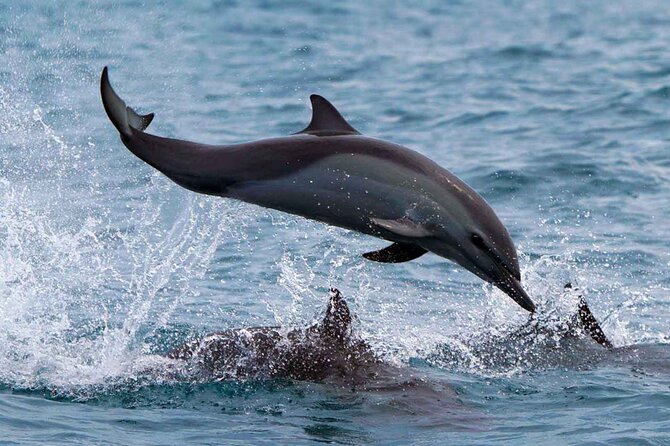
This tour emphasizes respectful observation. You’ll also notice it in how guests are handled when wildlife is nearby.
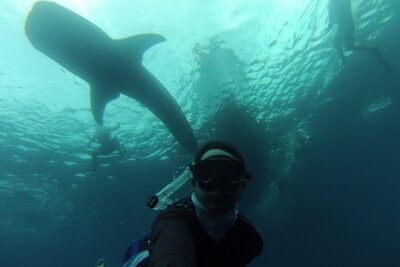
One detail worth filing away: in past outings, a guide has reportedly given permission for a guest to get in the water briefly for recording when conditions and safety/regulations allowed it. Even in those moments, the theme stays the same: don’t treat animals like props.
Why this matters: when a crew is focused on respectful distance and rules, sightings often feel smoother. The animals stay in the area longer, and you spend more time watching behavior instead of waiting for a quick, startled goodbye.
If conservation is part of why you’re going, this kind of approach will fit your expectations.
Boat Comfort, Sun Protection, and Swell Reality
The boat is small, and that can be a blessing for spotting, but it means you feel the weather more.
One recurring practical point from experience is that sun protection can be limited even with a canvas roof. If you burn easily, this is not the tour to show up in a tank top and hope for shade.
Bring:
- a hat
- sunscreen that’s reef-friendly
- water (bottled water is included, but you may still want extra)
- sunglasses
You’ll also want to dress for wind. Early mornings can cool down fast, then warm up when you’re moving.
Sea conditions matter too. Reviews mention that the pilot did a great job handling swells, which is a real skill on a small boat. Still, don’t pretend the ocean is predictable. If you’re prone to motion sickness, plan accordingly.
Safety Details That Affect Real People
Lifejackets are available for children from 3 years old up to 130kg adults. If you’re near or over that weight, it’s smart to ask before booking, since your comfort and safety gear availability depend on those limits.
The tour is listed as “most travelers can participate,” with the weight note as the main limitation. It runs with a maximum of 14 travelers, which also helps with safety and space on board.
One more small but important detail: this experience requires good weather. So even if you’re in town and ready, the sea decides sometimes.
Price and Value: The $59.74 Deal and the Extra Cash Fees
The listed price is $59.74 per person for a 2 hours 30 minutes outing, offered in English.
That’s a solid baseline price for guided wildlife watching with marine biologists. The value part is the combination:
- expert guidance (not just a captain)
- hydrophone audio
- a small group size
- access to good spots via spotters and local knowledge
But read the fine print on money. The tour doesn’t include park and marina fees:
- Huatulco National Park entrance fee: 65 pesos cash per person
- Chahué Marina fee: 10 pesos cash per person
That means your total cost in practice is your tour price plus roughly 75 pesos cash per person for those listed fees. Bring cash just for that purpose. You’ll thank yourself when you’re standing on the pier.
Also, the tour includes bottled water. That’s a small comfort that helps on a morning outing.
Morning Time Beats the Crowd Anxiety
Starting at 8:00 am helps you travel smarter. It’s early enough to increase your odds, and it keeps you from spending the rest of the day thinking about whether you’ll see something.
It also tends to feel like a real excursion, not a rushed hop-on hop-off. Even in a small group, you’re given time to observe, listen, and ask questions while moving through the best hunting grounds.
If you’re the type who likes your vacation mornings clean and active, this schedule fits.
Who Should Book This Tour (and Who Might Skip It)
Book this if you:
- want marine biology + wildlife viewing in one package
- care about learning, not just seeing
- like small groups and easier movement on board
- travel in December to March and want strong humpback odds
- enjoy photography or nature recording and want context while you shoot
You might skip this if you:
- dislike being on a small boat in wind or swell
- are sensitive to sun and can’t or won’t dress for it
- are above 130kg and need guaranteed lifejacket support
- want an experience that never changes due to sea conditions
The sweet spot is people who like nature, can handle the ocean’s mood, and want a guide explaining what they see.
Should You Book Dolphin & Whale Watching with Marine Biologists?
Yes, if you match the vibe. This trip is built around the two things that make whale watching worth it: a guided approach and a good chance of real sightings.
The hydrophone alone is a standout value add. Then add the small group size, early start, and the fact that humpbacks are especially likely in winter. If you’re in Huatulco during December to March, this is a strong bet.
Book it with two practical expectations:
- Bring sun protection and dress for wind. The boat doesn’t give you unlimited shade.
- Budget a bit of cash for park and marina fees, and accept that weather can change plans.
If you want more than a quick look at sea animals, this is the type of tour that turns watching into understanding.
FAQ
What is the duration of the dolphin and whale watching tour?
It runs for about 2 hours 30 minutes.
Where does the tour start?
You meet at Oceanico Huatulco, Sector P, at Marina Chahue in Bahias de Huatulco, Oaxaca.
What time does the tour depart?
Start time is 8:00 am.
Is the tour offered in English?
Yes. The tour is offered in English.
How many people are on the boat?
There is a maximum of 14 travelers.
What’s included in the price?
The tour includes bottled water.
What fees are not included?
The Huatulco National Park entrance fee is 65 pesos cash per person, and the Chahué Marina fee is 10 pesos cash per person.
Is there a minimum age?
Yes, the minimum age is 3 years old.
Are lifejackets provided?
Lifejackets are available for guests from 3 years old up to 130kg.
What happens if it’s canceled due to weather?
The experience requires good weather. If it’s canceled due to poor weather, you’ll be offered a different date or a full refund.
Can I get a refund if I cancel?
No. This experience is non-refundable and cannot be changed for any reason.