REVIEW · BIARRITZ
Basque Country : Whale and Dolphin Watching Boat Tours
Book on GetYourGuide →Operated by oceanboat64 · Bookable on GetYourGuide
Dolphins can show up fast off Saint-Jean-de-Luz. I like the small-group Zodiac RIB setup, and I really like the route to the Gouf de Capbreton underwater canyon, where cetaceans feed.
One thing to consider: this is a weather-and-safety dependent 4.5-hour outing and there’s no toilet on board for the long stretch. Bring cold-weather layers, and if you’re prone to motion sickness, plan for that before you leave the quay.
In This Review
- Key things that make this cetacean tour worth your morning
- Saint-Jean-de-Luz departure: the 8:00 AM start and your first taste of sea spray
- Why the Gouf de Capbreton canyon boosts your odds
- The first 45 minutes: speedboat time that can be thrilling or tiring
- The 3.5-hour observation area: pods, species, and how sightings tend to work
- What you can realistically hope to see
- The part that makes it feel special
- Meeting the crew: guides, skippers, and the tone of the briefing
- What to bring for a 4.5-hour RIB ride (and what to skip)
- Price and value: why $199 can make sense here
- Who this tour fits best (and who should choose something else)
- Should you book the Basque whale and dolphin watching boat tour?
- FAQ
- FAQ
- What time does the tour meet?
- How long is the full tour?
- Where does the boat tour take place?
- How long does it take to reach the observation zone?
- How long will you spend watching wildlife?
- What cetaceans are most commonly spotted?
- Are whales ever seen on this tour?
- Do you approach the animals?
- What should I bring?
- Who is the tour not suitable for?
- Is the tour affected by weather?
- What language is the guide?
- What’s included in the price?
Key things that make this cetacean tour worth your morning
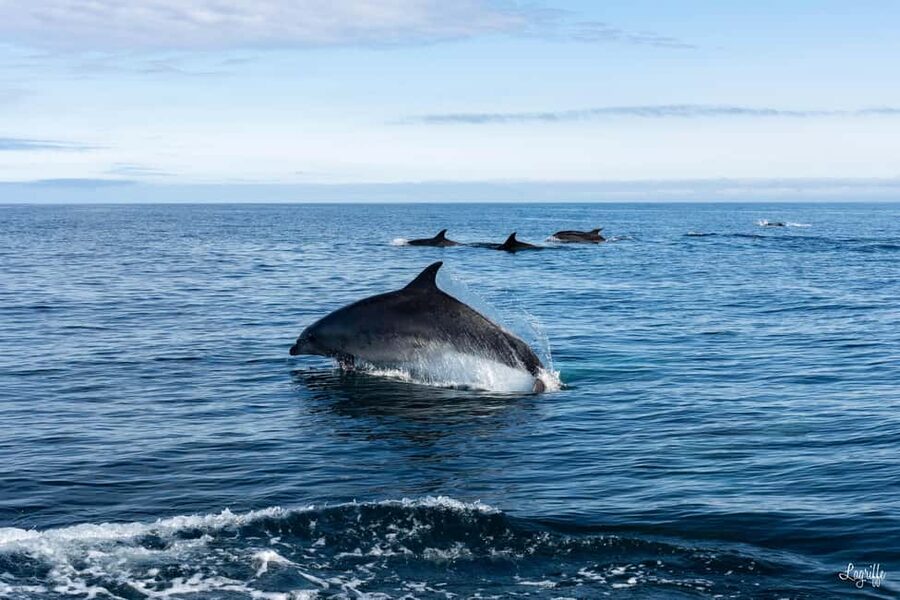
- Gouf de Capbreton canyon route: you’re not just coasting near the shoreline—this is a major marine-biodiversity hotspot.
- Built for spotting pods: you spend time in the observation area where you can see everything from tight groups to large pods.
- Seasonal whale chances: pilot whales are more common in spring, with other species possible but less likely.
- Respectful approach: the crew works to keep animals at ease and focused on natural behavior.
- Long time on the water (270 minutes): amazing if you’re prepared, annoying if you forget seasickness or warm clothing.
- Coffee included: a small comfort that helps when you’re out early and the sea air bites.
Saint-Jean-de-Luz departure: the 8:00 AM start and your first taste of sea spray
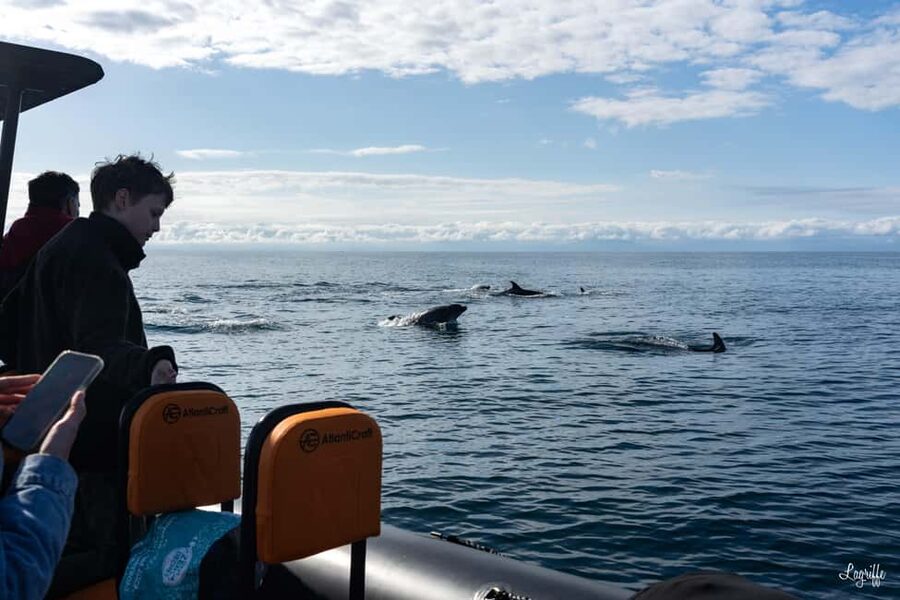
The day kicks off at 8:00 AM at 14 Quai de l’Infante, at pontoon A (the same pontoon used by the maritime shuttle). You’ll meet on the quay, get a short briefing, and then head offshore in the Zodiac RIB. This matters more than it sounds: a fast start helps you reach the right waters and gives you time to actually sit with wildlife, not just race past it.
The boat setup is simple: you’re in a Zodiac RIB, not a big slow ferry. That usually means better access to the viewing zone and a more “close to the action” feel. It also means you’ll feel the wind and the chop, especially early in the morning. If you’ve only done harbor cruises, this will feel like the real thing.
Why the Gouf de Capbreton canyon boosts your odds
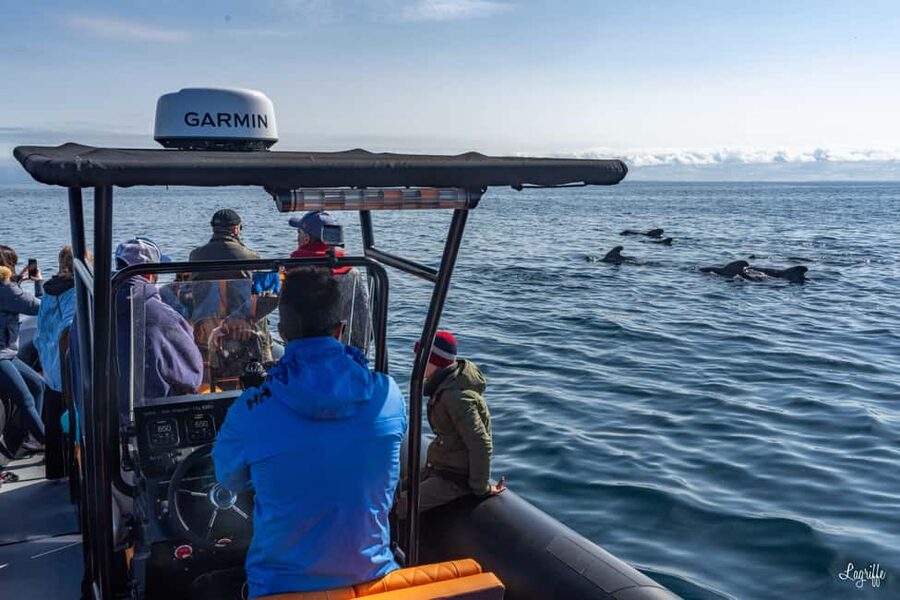
The heart of the tour is the trip offshore toward the Gouf de Capbreton, an underwater canyon near Capbreton. It starts just a few dozen meters below the surface and drops to more than 4,000 meters—that steep change creates a strong marine “food chain” environment.
For your experience, that translates into more meaningful sightings. The area is known for over 15 cetacean species recorded there, so the goal isn’t just to see something anywhere—it’s to hunt for the right water where prey concentrates and dolphins (and sometimes whales) move through.
You don’t need marine science to appreciate it; you just need to understand what the crew is doing. They’re targeting a zone where the ecosystem is built for animals, not a random patch of sea.
The first 45 minutes: speedboat time that can be thrilling or tiring
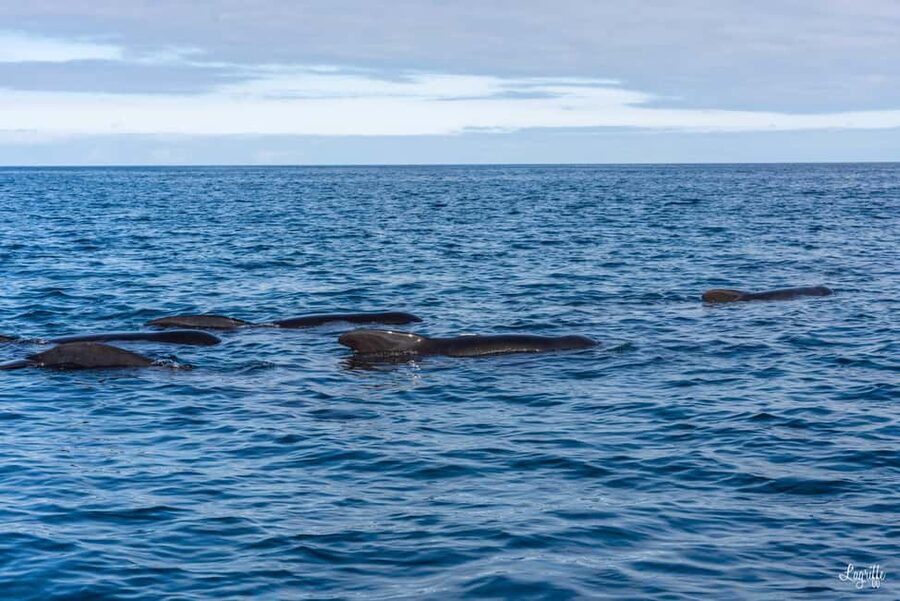
After the briefing, it takes about 45 minutes by speedboat to reach the observation zone. Think of this as your runway: the engine noise, the wind, and the spray all shift your focus from “tourist sightseeing” to “wildlife weather.”
This stretch is also where preparation pays off. If you run cold easily, you’ll want warm clothing right away. The itinerary gives you a long window on the water total (270 minutes), so layers are not optional here.
If you’re sensitive to motion, consider bringing anti-nausea tablets before you go. One rider specifically noted that it helped, and honestly, it’s the sort of small step that can turn the whole day from frustrating to fun.
The 3.5-hour observation area: pods, species, and how sightings tend to work
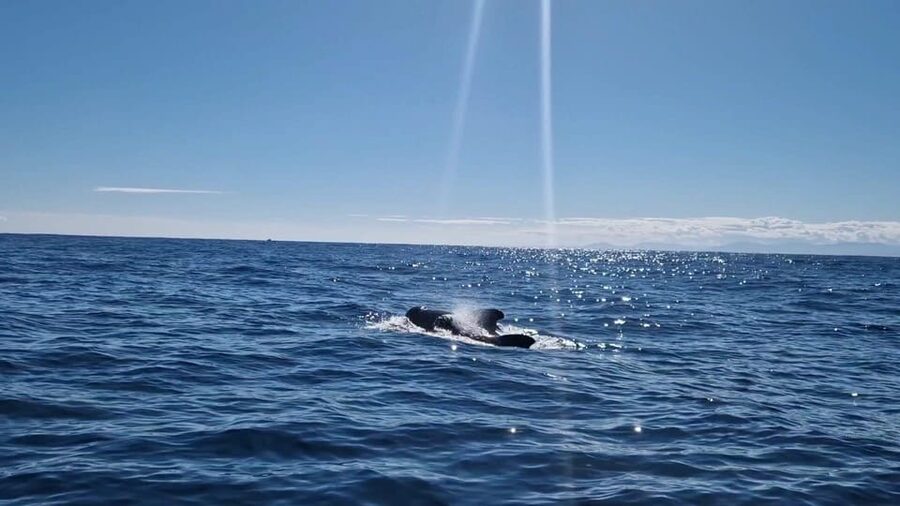
Once you reach the observation zone, that’s when the real wildlife time begins—about 3.5 hours at the viewing spot. This is described as a “secret stop,” which basically means the crew goes where the action is, depending on conditions and where animals are showing up.
From a practical perspective, your best plan is to stay flexible. Cetaceans are wild animals. Some days you get tight, predictable patterns; other days you get scattered appearances that come together later. The itinerary keeps you out long enough that one quick sighting can turn into multiple encounters.
What you can realistically hope to see
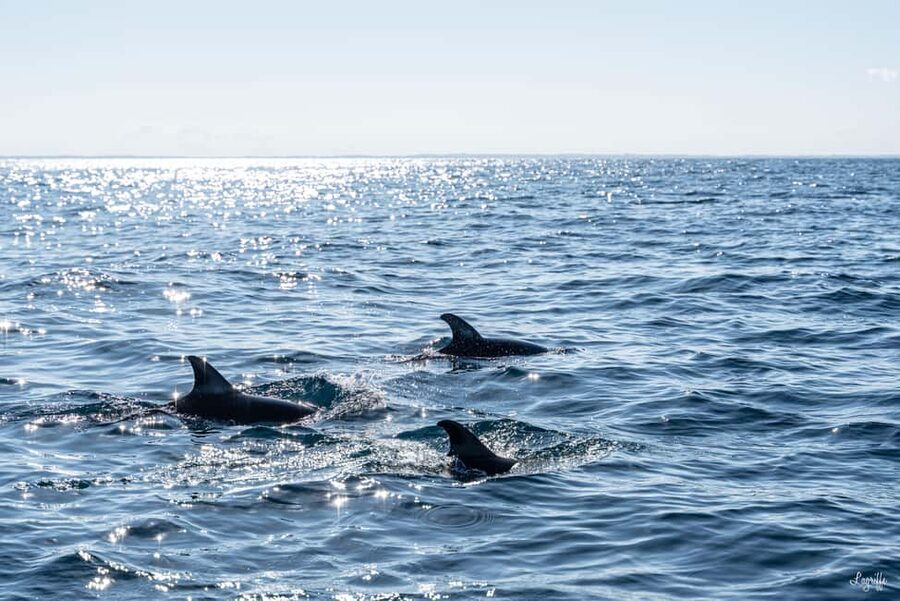
The most commonly sighted species in the area are:
- Striped dolphins
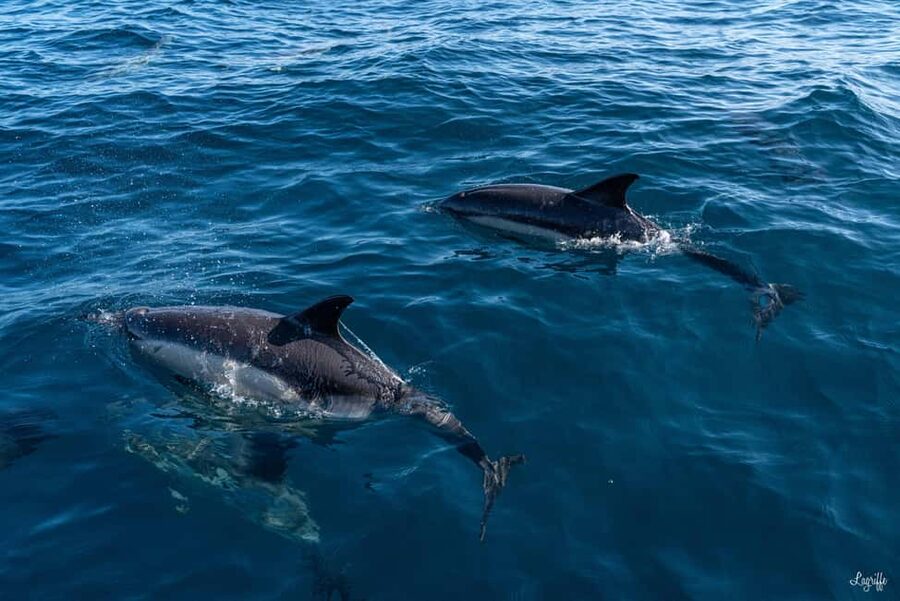
- Common dolphins
- Bottlenose dolphins
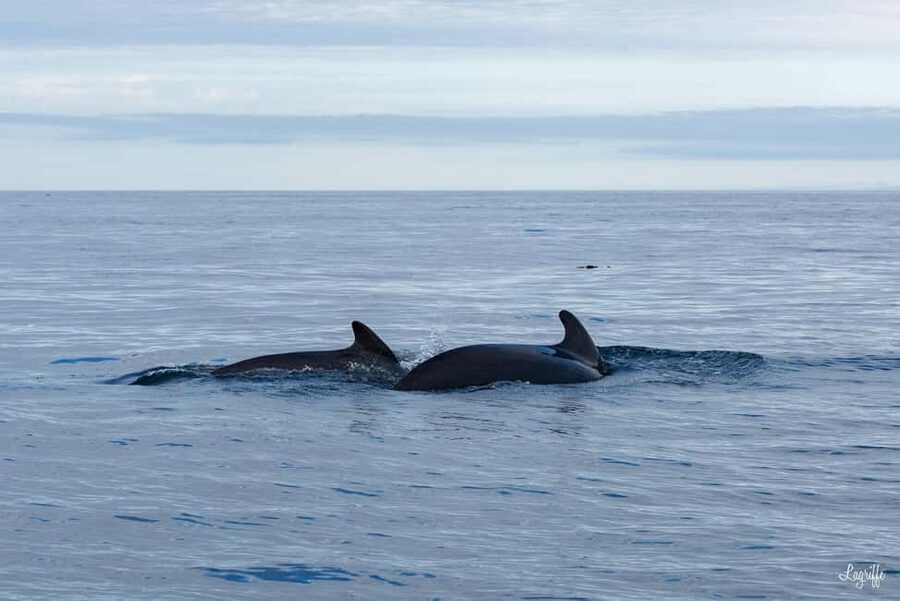
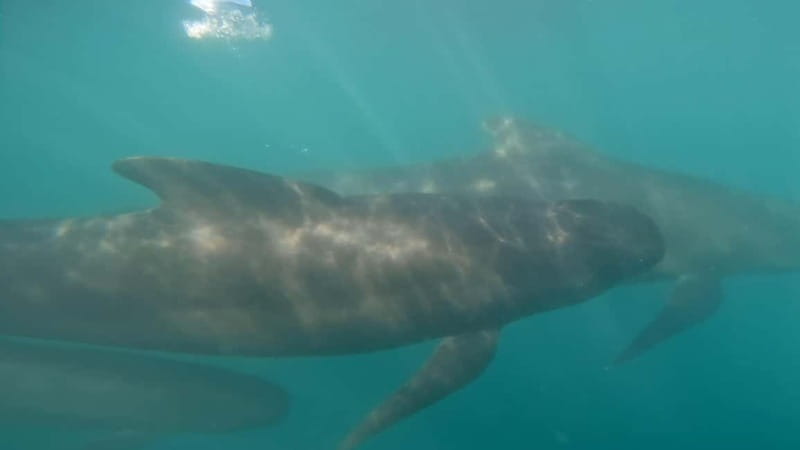
If you’re going in spring, pilot whales are also frequently reported.
More rarely, you might get luck with:
- Risso’s dolphins
- Harbor porpoises
- Fin whales
- Sperm whales
- Beaked whales
That “rare but possible” list is important when you’re budgeting expectations. You’re buying a high chance at dolphins and a smaller chance at whales, with the biggest whale odds in spring for pilot whales.
The part that makes it feel special
Even when the day is dolphin-heavy, it can still feel like a big win. Riders talk about seeing different pods in the same morning, which is the best version of this tour. It’s also why the canyon route matters: you’re more likely to catch animals as they move through a productive area.
The crew approaches with respect for the animals’ peace and natural behavior. You’re there to watch them, not force behavior. That keeps the experience ethical and, in many ways, more enjoyable—because you spend less time worrying about what you’re disturbing.
Meeting the crew: guides, skippers, and the tone of the briefing
You’ll have a live tour guide in French and English, and an experienced skipper at the helm. The guides and crew set the mood quickly—serious enough for safety, friendly enough that you relax into the day.
In the reviews, names like Antoine and Paul came up with clear praise for being engaging and well organized. That aligns with what you want on a fast, wind-exposed RIB: you need simple directions, calm guidance, and good seamanship.
One note to keep in mind: one rider felt the safety briefing was lacking on their departure and would have preferred a more explicit safety instruction (even as an adult who can handle a vest). That doesn’t mean every trip is the same, but it is a fair reminder: if anything feels unclear during the briefing, ask questions right away.
What to bring for a 4.5-hour RIB ride (and what to skip)
This tour gives you a straightforward packing list, and I’d follow it. The essentials are:
- Warm clothing
- Sunglasses
- Sunscreen
- Water
Add one more item based on real-world experience: motion comfort. If you get queasy on boats, anti-nausea medication is a smart idea. The sea can be calm, or it can be lively—the tour is subject to weather and safety conditions, so you shouldn’t bet your stomach on perfect conditions.
Also, plan for limited onboard comfort. One review points out there’s no toilet available for the stretch of the trip. That’s not something you can fix with packing, so the best strategy is mental prep and timing (and arriving well hydrated, since the tour includes water needs but not bathroom breaks).
Price and value: why $199 can make sense here
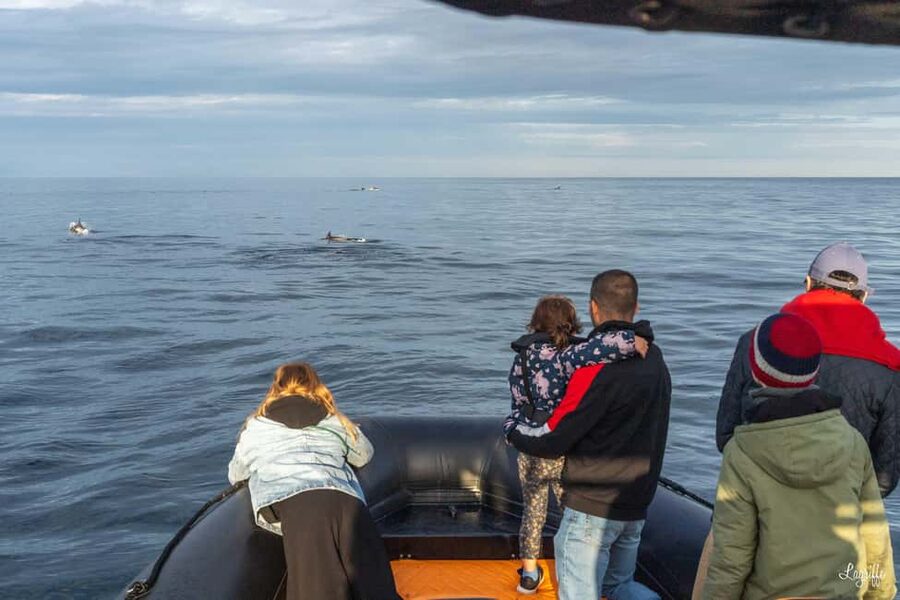
At $199 per person for 270 minutes, you’re paying for a specific kind of experience: an offshore RIB trip to a defined marine hotspot, with a skipper, insurance, and a small comfort (coffee) built in.
Here’s how I think about value in this case:
- You’re not just watching from a distance. The speed and route are built to reach a canyon zone with strong marine activity.
- You get time at the observation area long enough for multiple chances at pods.
- The included skipper and insurance matter because this is an early, offshore sea trip, not a stroll along a promenade.
The trade-off is that you’re also taking on weather dependence. If conditions limit visibility or safety, the plan can shift or cancel. For your money to feel “worth it,” you should be the kind of traveler who’s okay with nature-driven variability—and ready to dress for wind and chill.
Who this tour fits best (and who should choose something else)
This experience is best for you if:
- You want wild cetaceans, not just coastal sightseeing.
- You’re comfortable spending about 4.5 hours on the water.
- You like the idea of a small-group setup and a crew that targets a specific ecosystem hotspot.
It’s not suitable for:
- Children under 5
- Pregnant women
- Wheelchair users
And one more practical filter: if you’re very uncomfortable with boats, rougher seas, or long stretches without a toilet, you may want to consider a calmer alternative. The RIB format is part of what makes this tour effective, but it also means you feel the sea.
Should you book the Basque whale and dolphin watching boat tour?
If your priority is dolphins first—with a realistic chance of whales (especially pilot whales in spring)—then yes, I think you should book. The combination of an early start, a route toward the Gouf de Capbreton canyon, and hours spent in an observation zone is a strong recipe for getting real sightings rather than just “passing luck.”
Book with the right mindset. Dress warm. Bring sunscreen and water. If you’re prone to seasickness, take precautions early. And be okay with the idea that nature decides the schedule—because when the dolphins show up, this kind of targeted offshore viewing is exactly the kind of morning you’ll remember.
FAQ
FAQ
What time does the tour meet?
You meet at 8:00 AM at 14 Quai de l’Infante, at pontoon A.
How long is the full tour?
The total duration is 270 minutes (about 4.5 hours).
Where does the boat tour take place?
The tour is off the coast of Saint-Jean-de-Luz, navigating offshore toward the Gouf de Capbreton near Capbreton.
How long does it take to reach the observation zone?
It takes about 45 minutes by speedboat to reach the observation zone.
How long will you spend watching wildlife?
The itinerary includes about 3.5 hours at the observation area.
What cetaceans are most commonly spotted?
Common sightings include striped dolphins, common dolphins, and bottlenose dolphins.
Are whales ever seen on this tour?
In spring, pilot whales are frequently seen. Less commonly, you might also spot other species such as Risso’s dolphins, harbor porpoises, and, rarely, species like fin whales, sperm whales, or beaked whales.
Do you approach the animals?
The tour notes that the crew approaches animals with the utmost respect for their peace and natural behavior.
What should I bring?
Bring warm clothing, sunglasses, sunscreen, and water.
Who is the tour not suitable for?
It’s not suitable for children under 5, pregnant women, or wheelchair users.
Is the tour affected by weather?
Yes. The excursion is subject to weather and safety conditions and may be changed or canceled without notice.
What language is the guide?
The live guide provides French and English.
What’s included in the price?
Included are an experienced skipper, the Zodiac RIB boat, coffee, and insurance.